
Whether you’re the generation that drank from the hose while playing outside or the one who had a water bottle to take to school, we’ve all become increasingly aware of hydration, but it goes well beyond how or where you get your water.
Your body is working full-time to balance water and electrolytes. It’s deciding what to keep, what to flush out, all based on any number of factors, from your activity level and the temperature to your overall health and any medications you might take.
Ultimately, hydration and fluids are like oil in the engine. They keep everything running smoothly, so understanding how much water you need, how to manage fluid retention, and how to support fluid balance is important for overall health.
Quick Links:
- What Is Fluid Balance?
- How Does the Body Regulate Fluid Balance?
- How Much Water Should I Drink a Day?
- What Is More Hydrating Than Water?
- Is IV Therapy Appropriate for Hydration?
- Can Herbs Support Healthy Fluid Balance?
- When Fluid Retention or Dehydration Needs Medical Attention
- Healthy Fluid Balance Is Individual
What Is Fluid Balance?
In the simplest terms, fluid balance refers to the body’s ability to maintain the right amount and distribution of water and electrolytes.
You may have heard statistics about how much of the human body is water (typically 80%), but the truth is that this number varies by age and sex, usually from 50-75%. How that water gets distributed is essential for your body and its systems to function.
Water is essential for circulation, kidney function, digestion, temperature regulation, nutrient delivery, and waste removal. Too little (dehydration) is often understood to be a concern, but too much (overhydration) can also disrupt those processes. As such, proper hydration and fluid balance are core components of overall health.
How Does the Body Regulate Fluid Balance?
Unbeknownst to you, your body is continuously balancing fluids– intake, retention, removal– to keep water and electrolytes in a healthy range. Your kidneys are working alongside your hormones, thirst response, and electrolytes to maintain balance.
The Kidneys
Your kidneys filter blood and determine how much water and electrolytes your body retains or releases. When your fluid levels are low, your kidneys will retain more water to maintain proper function and circulation.
Hormones
Your hormones help move messages between different systems in your body, including your brain, kidneys, and adrenal glands. Your body creates a hormone called vasopressin, an antidiuretic hormone that helps your kidneys conserve water. Vasopressin works alongside aldosterone, which encourages your kidneys to retain sodium and release potassium; because water follows sodium, it helps maintain blood volume and blood pressure. Together, they help your body respond to changes caused by sweating, illness, fluid intake, and other daily demands.
Thirst
You’ve likely heard the saying “if you’re feeling thirsty, you’re already dehydrated,” which is a way of saying that thirst is your body’s way of signaling a need for more fluid. It may not signal dehydration, but your body is registering changes in both the concentration and volume of your blood. When your blood is too concentrated, your brain triggers thirst signals.
However, it’s important to note that thirst cues can be less reliable when you’re ill, engaged in intense activity, taking certain medications, or simply aging. This is why monitoring your water intake is essential and waiting until you’re feeling thirsty isn’t the best hydration strategy.
Thirst signals can also vary from person to person. Some people feel hunger pangs when, in reality, their bodies are signaling them to drink water. Others know they are thirsty by the frequency (or lack thereof) of their bowel movements, headaches, or aching joints. The truth is, the body can signal ‘I’m Thirsty’ in a variety of ways.
Electrolytes
Ever since sports drinks hit the market, we’ve been more aware of electrolytes, and they’re getting a bit of a glow-up these days. Electrolytes are sodium, potassium, magnesium, and chloride, and they help regulate how water moves throughout your body, including your cells, tissues, and bloodstream.
Electrolytes are also essential for nerve signaling, muscle function, and heartbeat, all of which are important not only for athletic performance but also for everyday functioning. Water is only one part of hydration; ensuring adequate electrolyte levels helps maintain fluid balance.
 How Much Water Should I Drink a Day?
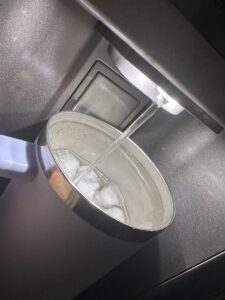
The next natural question then is “How much water should I drink daily?” You may have heard the 8-glasses rule, but how much water you need individually depends on several factors.
Still, a frequently cited starting point for fluid intake is about 11.5 cups per day for women and 15.5 cups per day for men. However, that number includes all sources of fluids, beverages, and foods, not just the glasses of water you might drink. It’s one reason we recommend foods high in water content, and it may be why you crave them in hotter months.
Other factors that influence your individual needs include your activity level, diet, pregnancy, and body size. Of course, the climate where you live, your medications, and health conditions can all impact your needs as well.
So, rather than counting your glasses or aiming for some arbitrary goal that may not apply to you, pay attention to your thirst and activity level, temperatures, overall health, and your urine.
How Can You Tell Whether You Are Drinking Enough?
As noted, your thirst level and urine color are the best indicators of whether you’re drinking enough. More specifically, a feeling of being thirsty should be rare, and your urine should generally be pale yellow (unless you’ve just taken some vitamins!).
If your urine is consistently dark or you don’t urinate frequently, it may mean you need more fluids. Drinking steadily throughout the day is more effective than drinking a large amount all at once.
What Are the Signs of Dehydration?
Usually, the first indicator of mild dehydration is thirst. However, it may be accompanied by:
- A dry mouth
- Dark yellow urine
- Infrequent urination
- Headaches or dizziness
- Fatigue
- Difficulty concentrating
- Reduced athletic performance
Even these minor symptoms demonstrate how essential water is for your entire system and peak performance, athletic or not. More serious dehydration can create:
- Confusion
- Rapid heartbeat
- Fainting
- Little to no urine
- Inability to keep fluids down
- Inability to regulate body temperature (overheating)
- Muscle weakness, cramps, and fatigue
In the case of extreme dehydration, medical attention is essential, especially in vulnerable people such as the elderly, children, or the sick.
Can You Drink Too Much Water?
On the flip side, you can drink too much water, though it’s far less common than dehydration. Drinking more water than your kidneys can remove dilutes sodium (electrolytes) in your blood and can interfere with brain, nerve, and muscle function.
So how do you balance this? Again, the goal is not to sit down and pound a gallon of water in response to hot weather or activity. Instead, aim to replace fluids at a rate that matches what your body needs, keeping fluid intake steady throughout the day.
It’s also key to remember that you can’t make up for deficits here either. If you know it’s going to be hot or you’ve got a day of activity ahead, start hydrating a few days before to increase your tissue water content and support your kidneys for the activity ahead, rather than waiting until the day of.
What Is More Hydrating Than Water?
While plain water is often your best bet for hydration, the real answer is much like movement. The best way to get fluids is through healthy, high-water-content food and drinks you enjoy. Electrolyte drinks may also be appropriate for replacing what you’ve lost, usually through sweat during activity or in heat.
Options for hydration often include herbal teas, electrolyte drinks, rehydration solutions, milk, broth, or water. Fruits and vegetables, especially watermelon, oranges, cucumbers, and tomatoes, are also great contributors to daily fluid intake.
All of that said, the question isn’t often about what’s more hydrating, but rather what your body needs to replace. For many, water and a balanced diet are enough. Again, after a lot of activity or illness, your body may also need sodium and other electrolytes.
It’s also important to discuss the explosion of sports drinks. Marketing may lead one to believe these are essential for appropriate hydration, but that’s not the case.
Again, for most people, water is enough. Sports drinks often include added ingredients such as sugar, coloring agents, and an electrolyte balance that may be inappropriate for one’s age or activity, whereas powders and tablets vary widely in their electrolyte content.
Coconut water is another option that’s gained popularity. It does provide fluid and electrolytes, mostly potassium, but it’s not more hydrating than water and may not contain enough sodium to replace what’s lost with sweating.
When Do You Need Electrolytes?
Not daily, not for most of us anyhow. There are a variety of factors that play into whether you need to add electrolytes or not, though the beverage industry might have you thinking otherwise.
Electrolytes may be useful when:
- Exercise is intense or prolonged (beyond an hour)
- Sweating heavily
- Hot and/or humid weather
- Spending extended time at high altitudes
- Experiencing illness, including vomiting or diarrhea, that limits fluid intake
- Engaging in heavy manual labor outdoors
But electrolytes aren’t necessary after every workout or when you’re thirsty. A balanced diet and regular water are typically enough for most people to replenish what they’ve lost. While electrolyte drinks do provide water, sodium, and glucose at levels that promote fluid absorption, severe dehydration or an inability to keep fluids down should be addressed with medical attention, not a sports drink.
Furthermore, individuals with kidney or heart disease, high blood pressure, or other conditions that affect fluid or mineral balance should discuss their concerns with their doctor, as electrolyte products may not be appropriate for them.
 Is IV Therapy Appropriate for Hydration?
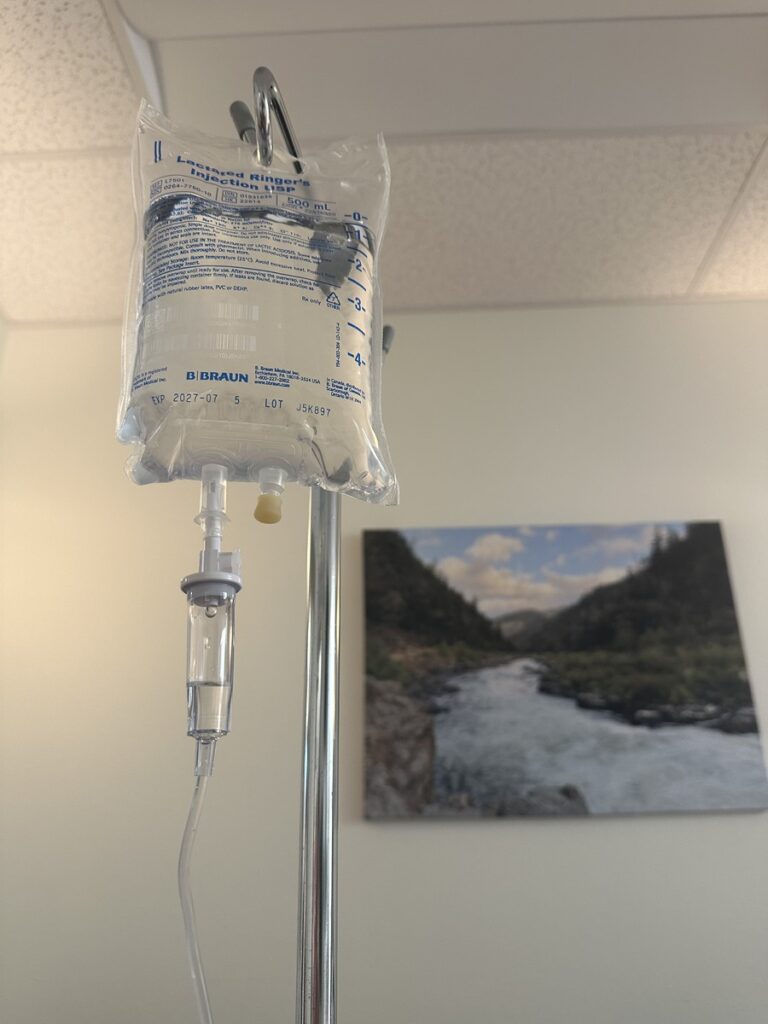
There may come a time during your health journey when your naturopathic doctor recommends IV Therapy to address hydration issues. IV hydration can help in acute situations, such as dehydration from illness or fever, or from unexpected exposure to hot weather without adequate fluids.
However, IV hydration is not a long-term solution or substitute for a healthy habit of daily hydration.IV hydration therapy can deliver fluids directly into your bloodstream when fluids need to be replaced quickly, such as when someone cannot drink or absorb enough fluids due to illness or a medical condition.
For mild dehydration, drinking water, eating water-rich foods, electrolytes, or a rehydration solution should be enough. However, IV therapy may be appropriate if:
- Dehydration is moderate to severe
- Illness has resulted in significant fluid loss
- It’s difficult to keep fluids down
- Absorption or digestion issues limit hydration
- A clinician or doctor determines IV fluid replacement is appropriate
Some pop-up hydration and IV businesses seem to suggest that it’s an appropriate response to a hangover, or a quick fix for not taking care of regular hydration needs. Quick fixes are sometimes necessary, but aren’t a substitute for regular care.
While IV therapy can be beneficial for dehydration, individual needs may vary based on a variety of health factors. At Canby Clinic, IV therapy is always provided in a medical setting and based on an individual assessment.
Can Herbs Support Healthy Fluid Balance?
It’s natural to wonder what role herbal supplements play in hydration and fluid balance. Traditionally, herbs have been used to support urinary function and your ability to move and eliminate fluids rather than helping to hydrate or provide electrolytes.
Still, for those experiencing fluid balance problems, such as swelling or fluid retention, your first step is to see your doctor, as these symptoms may indicate issues with the heart, kidneys, liver, circulation, hormones, medications, or other conditions. Your doctor is best suited to help you address fluid retention, especially if it’s a recurring or ongoing concern.
Nettle Leaf
Nettle leaf has a long history of use for urinary wellness and supporting normal elimination of both water and metabolic waste. It’s also valuable because it contains vitamins, minerals, and other plant compounds. Of course, this varies by preparation, but nettle tea is an excellent way to include it. Be sure to check for nettle leaf vs nettle root, as nettle root is more often used for other concerns.
Dandelion Leaf
Dandelion leaf helps support urine production and fluid balance. It also includes potassium, but that doesn’t mean it’s enough to replace an electrolyte imbalance. Also, important to note here that the leaf and root are very different. Dandelion root is used for digestion and liver support.
Celery Seed
Traditionally, celery seed has been used to support urinary function, circulation, and the body’s normal elimination processes. While research is limited, traditional usage marks it as a treatment for edema and fluid retention.
Those with celery allergies, who are pregnant, or who take certain medications may want to avoid this product. As always, consult with a doctor before adding any supplement to your diet.
Choosing a Fluid-Support Formula Carefully
When fluids are off, whether dehydration or fluid retention, it’s easy to understand wanting relief. When it comes to fluid retention, there are many products on the market promising relief, but choosing the right one is essential.
First and foremost, look for products that identify each ingredient, which part of the plant is used, the amount included, and evidence of quality testing.
Next, understand that supplements may interact with medications. This is where a naturopathic doctor can be incredibly helpful.
Your naturopathic doctor can help you identify the underlying causes of your fluid imbalance, potential lifestyle factors that may be exacerbating concerns, possible interactions with existing medications or treatments, and provide guidance on appropriate nutritional or herbal therapies, if indicated.
The bottom line is that managing fluids in your body is essential to overall health and peak performance. Whether it’s fluid retention or adequate hydration, working with your doctor can help establish baselines and clarify which lifestyle factors, conditions, or medications may be affecting your body’s natural ability to balance fluids.
When Fluid Retention or Dehydration Needs Medical Attention
As we’ve mentioned, fluid balance is key to keeping biological systems functioning at peak. Occasional thirst or mild swelling may be passing concerns, associated with environmental factors or even diet. But consistent and persistent changes, or those that come on suddenly with no apparent explanation, should be investigated.
Fluid imbalances, whether dehydration or fluid retention, can be signs of an underlying condition involving the kidneys, heart, liver, or more.
If dehydration is not improving or you’re experiencing additional concerns such as dizziness, weakness, headaches, confusion, or an inability to keep fluids down, contact a healthcare provider.
Similarly, fluid retention also requires medical evaluation, especially if swelling is new, worsening, or unexplained.
While herbal supplements, electrolyte products, and IV therapy may help support hydration or fluid balance, they can mask ongoing or unexplained symptoms. The most important goal is to identify why the imbalance is occurring; it is the first step toward relief and solutions.
Healthy Fluid Balance Is Individual
If you’ve ever worked out with a friend, you may have noticed that your bodies react differently; the same goes for heat. No two bodies are identical. Hydration needs change with an individual’s body, diet, activity level, environment, medications, fluid intake, and overall health.
The ultimate goal is to give your body what it needs to function at its best. That doesn’t mean more water, electrolytes, IV therapy, or increased urine output is better or is the solution. If you’re consistently thirsty, noticing swelling, or changes in urination, it may be something that deserves attention from you and your healthcare provider.
While seasonal changes can impact your fluid intake, hydration needs, and even swelling, if you’ve noticed consistent issues across seasons, or you’re simply concerned about your hydration levels or fluid retention, schedule a consultation with one of the naturopathic doctors at Canby Clinic.
Our doctors will review your symptoms, health history, medications, diet, and lifestyle factors to identify potential contributing factors and work from there to find the underlying causes of your health concerns.
So much of health is about finding balance and allowing our bodies to function naturally. Hydration plays a key role in all facets of health, so reach out to our team today to discuss how it may be affecting your health!