
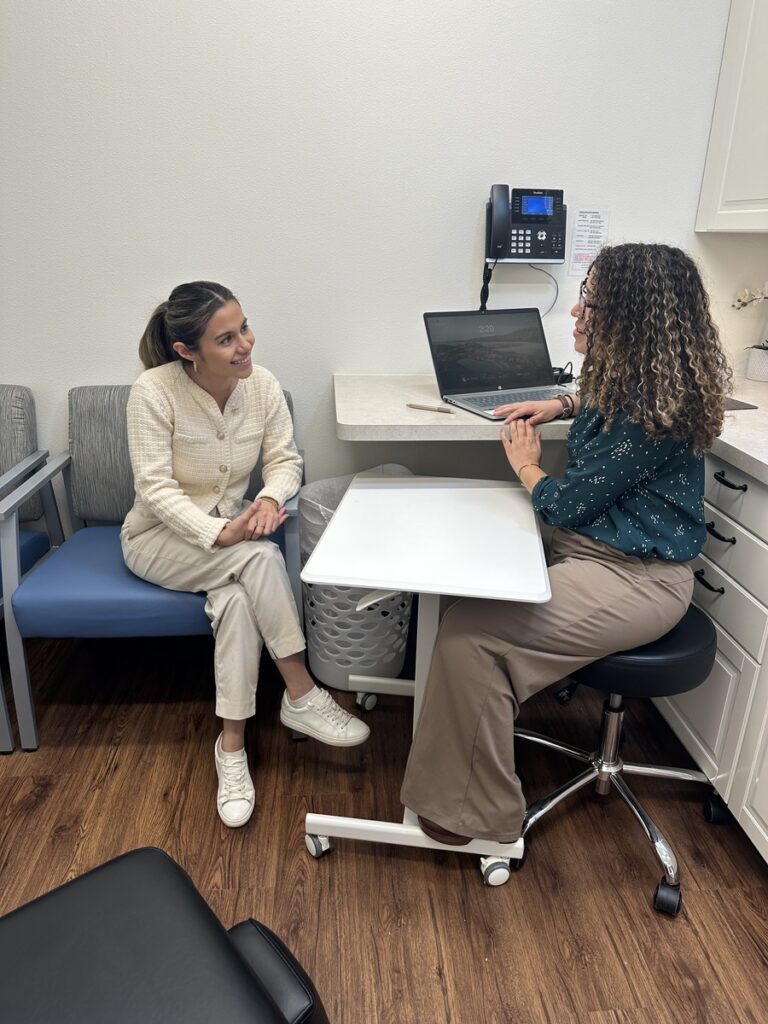
At the first appointment, we often get a lot of questions, and even some skepticism, about what naturopathic medicine is and how it’s different.
Of course, we also ask a lot of questions, and that’s often when patients see and feel the difference. It’s the reason so many seek us out. They’re frustrated by the rushed appointments, limited time for questions, and symptom-focused treatment plans.
And that’s where the principles of naturopathic medicine become important. They shape how naturopathic doctors and clinics like ours approach everything from patient care to patient education to long-term wellness.
Understanding those principles may help explain not just what naturopathic medicine is but also why it’s different.
Quick Links:
- What Is Naturopathic Medicine and What Makes It Different?
- The Principles of Naturopathic Care
- How the Principles of Naturopathic Medicine Shape Patient Care
- Why Naturopathic Medicine Appointments Are Longer (and More Effective)
- Naturopathic Doctors as Primary Care Providers
- What to Expect from Naturopathic Care Over Time
- Is Naturopathic Medicine Right for You?
What Is Naturopathic Medicine and What Makes It Different?
The straightforward answer is that naturopathic medicine is a form of primary and integrative healthcare, delivered by Naturopathic Doctors (NDs), who are trained in many of the same evidence-informed approaches as medical doctors (MDs).
However, we believe it’s more than that, given the reasons patients often come to us. Many come to naturopathic medicine frustrated by rushed appointments, short-term symptom management or suppression, and, in general, not fully understanding why recommendations or treatment plans will deliver the results they want.
For many of those patients, the first thing that feels different is the doctor-patient relationship. NDs typically spend more time listening to their patients, asking questions, and looking at how all aspects of their lives, from stress and nutrition to sleep and environment, may be contributing to the symptoms or issues they’re experiencing.
From there, NDs aim to understand why a patient is struggling. They want to understand what is happening in the body and get to the root cause rather than simply suppressing symptoms. This, along with patient education, collaboration, and whole-person care, is a key component that helps patients feel informed, supported, and engaged in their care and health decisions.
The Principles of Naturopathic Care
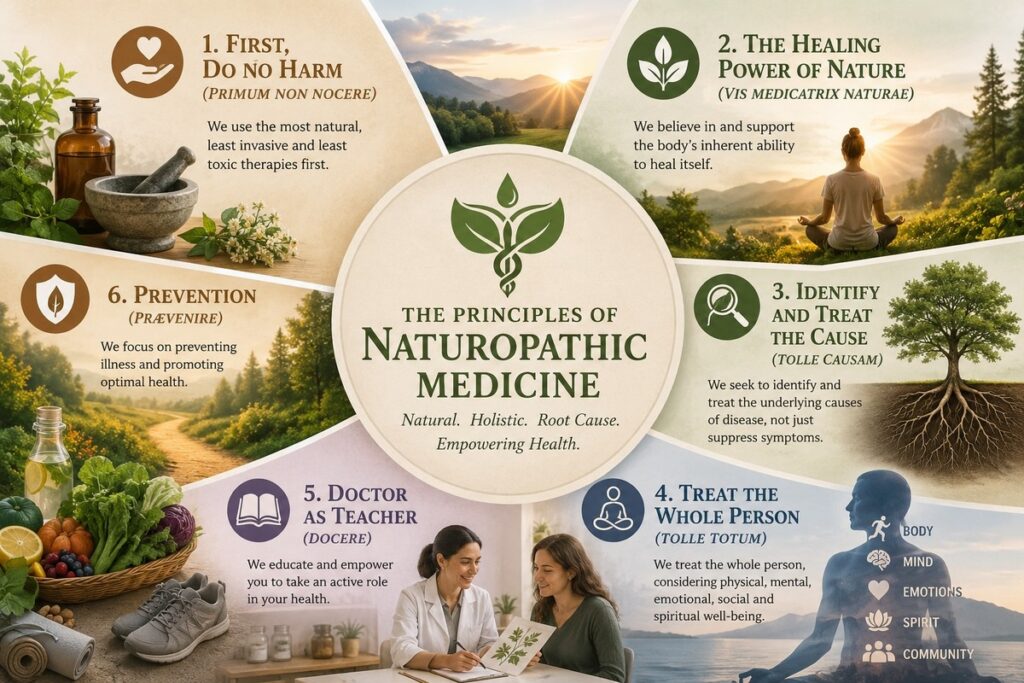
Those core components are central to naturopathic medicine and are clearly outlined in the principles of naturopathic care. These principles guide how naturopathic doctors approach patient care, treatment plans, and the doctor-patient relationship.
- First, Do No Harm (Primum Non Nocere)- Informs the use of the least invasive, lowest-risk treatment possible while still supporting the body’s healing.
- The Healing Power of Nature (Vis Medicatrix Naturae)- Guides treatments that trust and honor the body’s ability to restore health and maintain balance when provided with the right support.
- Identify and Treat the Cause (Tolle Causam)- Drives the goal of identifying the root cause of an illness or health concern rather than managing or suppressing symptoms.
- Treat the Whole Person (Tolle Totum)- People are more than symptoms, and their bodies rely on complex systems. NDs consider the physical, mental, environmental, genetic, emotional, and lifestyle factors that can potentially influence their overall health.
- Doctor as Teacher (Docere)- Fundamental to the doctor-patient relationship is patient education, which not only helps patients understand and participate in their care but also builds trust and mutual respect.
- Prevention (Prævenire)- Preventive care is paramount, as early intervention supports long-term health and wellness. By ensuring wellness, NDs can help patients reduce future health risks.
How the Principles of Naturopathic Medicine Shape Patient Care
It’s important to understand that, for naturopathic doctors, these are more than just philosophical principles. Instead, they actively shape how NDs approach all aspects of patient care and well-being.
A perfect example is how the tenet of “Treat the Whole Person” often means that, though a patient comes in with a particular symptom, the appointment likely goes well beyond that single symptom. A patient who comes in with fatigue may be asked about any number of things, from sleep quality and nutrition to work stress and exercise habits. Naturopathic medicine hinges on the idea that no single symptom appears in isolation. It’s often connected to how systems within the body interact and influence one another.
This approach is also essential for the principle of “Identify and Treat the Cause.” Not only do some health concerns have multiple causes or contributing factors, but symptom management is often a temporary solution that ignores the larger system and the potential for later issues, some of which may be triggered by failing to address root causes rather than surface-level symptoms.
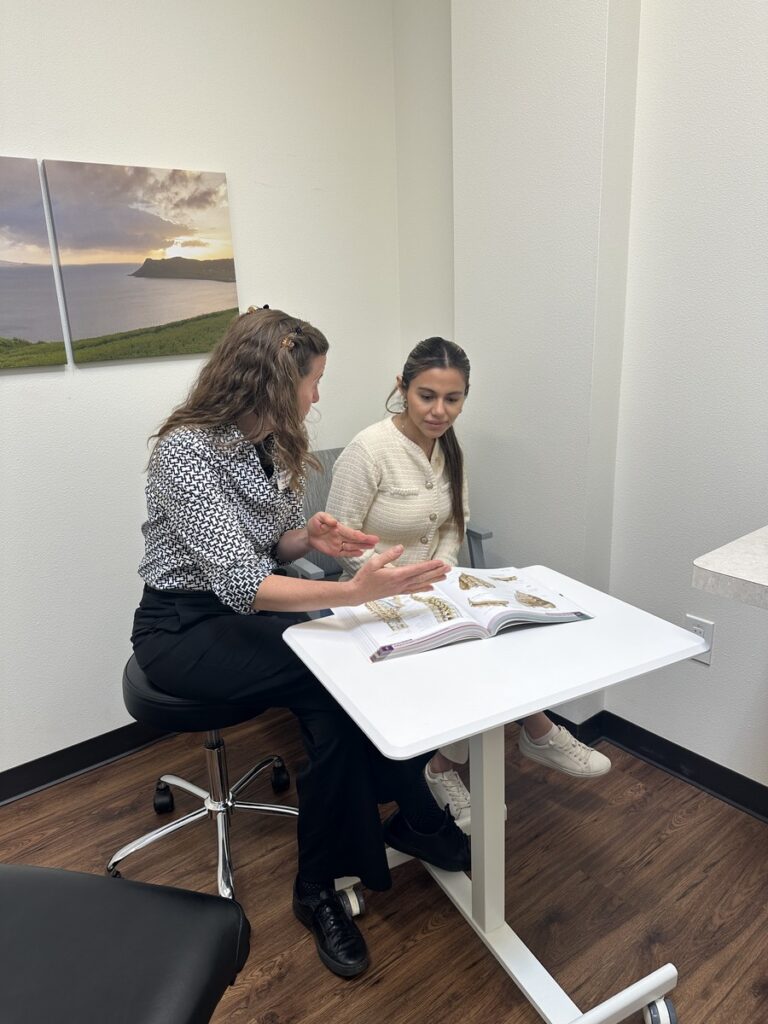
One big difference patients often notice, right from the start, is the impact of “Doctor as Teacher.” NDs value an informed and engaged patient as they are better able to participate in and adhere to health decisions. As doctors ask questions, patients are expected to do the same so they can better understand the need for tests, dietary changes, supplements, and the overall recommendations and treatment plan. After a visit with an ND, patients typically leave appointments feeling well-informed and confident in their own ability to address current concerns or influence future health outcomes.
Even “First, Do No Harm,” a principle they share with MDs and the Hippocratic Oath, influences every aspect of treatment decisions. Whereas a lot of Western medicine moves quickly to the “prescription pad,” naturopathic doctors are more likely to begin with interventions that include nutrition, sleep support, and lower-risk therapies. That said, while those are where NDs start, they still recognize and can order more advanced diagnostics, medications, or referrals when necessary.
These principles deliver a level of care that is personalized and collaborative. It’s focused on prevention and centered around long-term health.
Why Naturopathic Medicine Appointments Are Longer (and More Effective)
When we recommend patients leave at least an hour for a new patient appointment (30 minutes for most follow-up appointments), many assume this includes a long wait in the reception area. Because naturopathic doctors ask many questions and take time to understand the bigger picture of a patient’s health, appointments are often longer than most expect or are used to.
Instead of brief visits that feel like rushed attempts to cover symptoms, appointments are longer, leaving time for deeper conversations about nutrition, stress, sleep, hormonal health, medications, and other aspects of health that may provide additional insights. In turn, patients feel heard, understood, and invited to take an active role in their care.
Time also means NDs have time for education. Not only do doctors have time, but patients also have time to ask questions and truly understand their lab results, medications, or the doctor’s recommendations. As a result, and as research suggests, they’re often more likely to adhere to treatment plans.
Naturopathic Doctors as Primary Care Providers
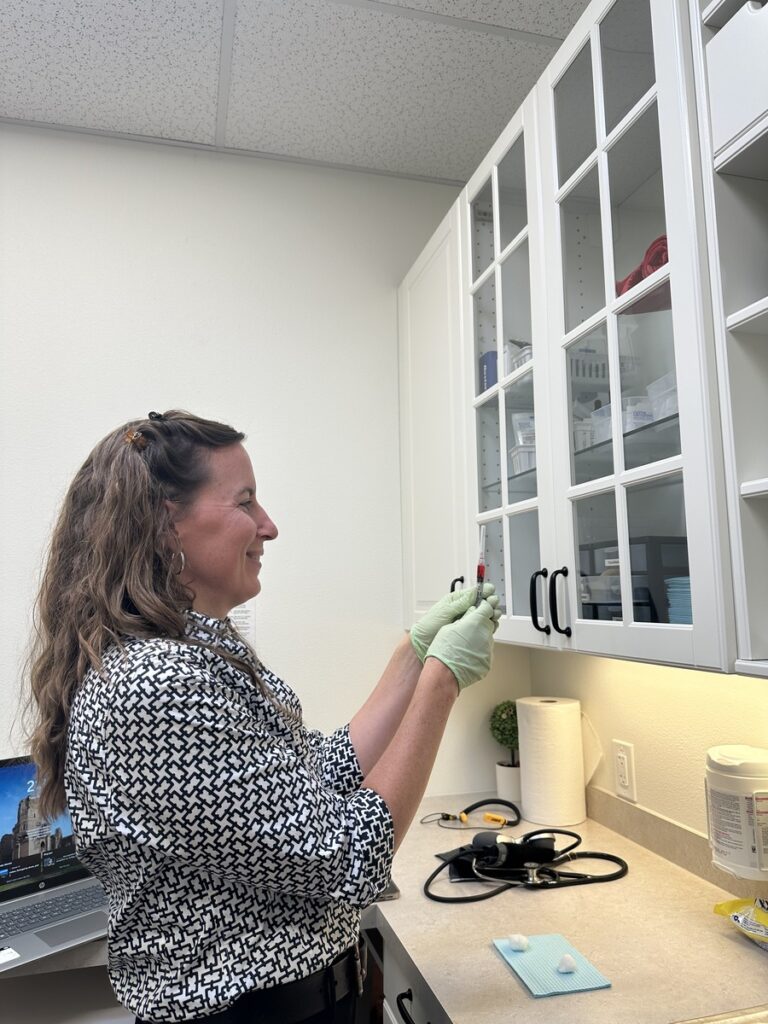
Because most Americans are used to Western medicine and models, naturopathic medicine is often framed as focused solely on supplements and alternative therapies. In reality, naturopathic doctors (NDs) are licensed and receive extensive training in clinical diagnostics, labs, physical exams, chronic diseases, and patient education. They receive both conventional medical science and evidence-informed natural therapies. This opens up multiple perspectives for patient evaluation.
Varying state laws are partly responsible for the misconceptions that persist today, but in many states, NDs may serve as primary care physicians, and often, that care feels different because of the philosophy, not the qualifications or training.
What to Expect from Naturopathic Care Over Time
Because naturopathic care doesn’t just treat symptoms, it’s designed for ongoing care and focuses on long-term health. That framework means that patients often notice that care is more personalized, more collaborative, and, over time, focused not on sickness but on wellness.
Patients often notice and benefit from:
- Personalized care that’s tailored to their unique health history, lifestyle, and long-term health goals
- Longer, more in-depth appointments that create space for questions, answers, and greater understanding
- Stronger doctor-patient relationships that build on ongoing communication and collaboration
- Better understanding of health, wellness, recommendations, and treatments
- Prevention-focused care that looks at root causes and long-term wellness rather than symptom management
- Wider support for multiple lifestyle factors, including improved sleep hygiene, stress reduction, better nutrition, and daily habits for cleaner living
- Evolving treatment plans to meet current needs and adapt to changing goals
Most patients appreciate the change as appointments feel less rushed and more supportive. They feel their healthcare is more focused on long-term health and wellness than on addressing acute issues as they arise.
Is Naturopathic Medicine Right for You?
This is often the most important question for people to answer. Healthcare and healthcare decisions are often deeply personal, shaped by personal goals, experiences, and existing conditions. Patients also have very clear expectations about the care they expect and want to receive.
For patients looking for a deeper healthcare experience and a doctor-patient relationship, naturopathic medicine provides an educational and supportive experience that often feels more collaborative– doctor and patient as a team rather than a hierarchy.
Similarly, patients frustrated with short-term solutions for ongoing issues may appreciate the whole-person approach to health that naturopathic medicine provides. For individuals who want to better understand how nutrition, stress, sleep, lifestyle, hormones, and health patterns influence their well-being, working with an ND might be the best route.
And, most importantly, for those who fear this means conventional medicine and treatments will be ignored, rest assured that naturopathic medicine works alongside modern diagnostics, testing, research-based and evidence-informed care, and appropriate specialist referrals when needed.
If you’ve been wondering whether you could get more out of your healthcare and are seeking a more personalized healthcare experience, one that’s focused on long-term wellness, then we’re here to help.
We’d love for you to come to the Canby Clinic for a consultation or to reach out to our team. Our goal, as always, is to help you make the best decisions for your health, and we’re happy to discuss how naturopathic medicine can help you set and meet your goals!