
It starts with the knowledge that it’s coming. Well before the first sniffle, sneeze, or even an itchy throat or eyes, you know allergy season is coming. For many people, this is the start of weeks or months of irritated sinuses, skin, and more, which inevitably impacts their daily lives.
While OTC allergy medications can provide temporary relief for many of your symptoms, if you’re looking for a longer-term solution that supports your body’s natural responses rather than relying on symptom suppression, naturopathic care and natural allergy relief may be an option worth exploring.
Quick Links:
- What Causes Allergies and Why Does Allergy Season Feel So Intense
- Natural Allergy Relief vs Conventional Allergy Treatment
- Natural Allergy Relief Strategies That Support the Whole Body
- How Naturopathic Medicine Approaches Allergy Relief Differently
- When to Start Natural Allergy Relief for Best Results
- What to Expect from Naturopathic Care for Allergies
- Is Natural Allergy Relief Right for You?
 What Causes Allergies and Why Does Allergy Season Feel So Intense
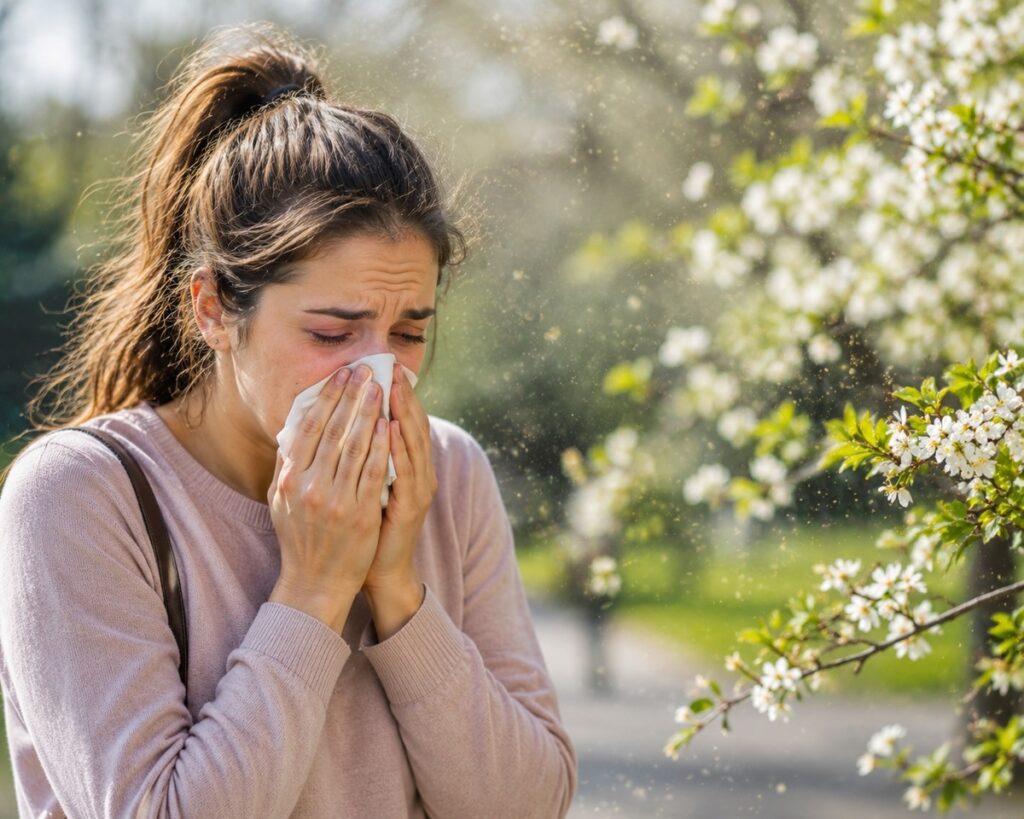
Perhaps the most important thing to understand about allergies is that your body is overreacting to a harmless substance. Typically, your body can identify things like pollen, grass, mold, or pet dander as naturally occurring and non-threatening. Instead of seeing these as harmless, your body sees them as a threat and releases histamine and other chemicals; this release leads to sneezing, itchy eyes, sinus congestion or pressure, and fatigue.
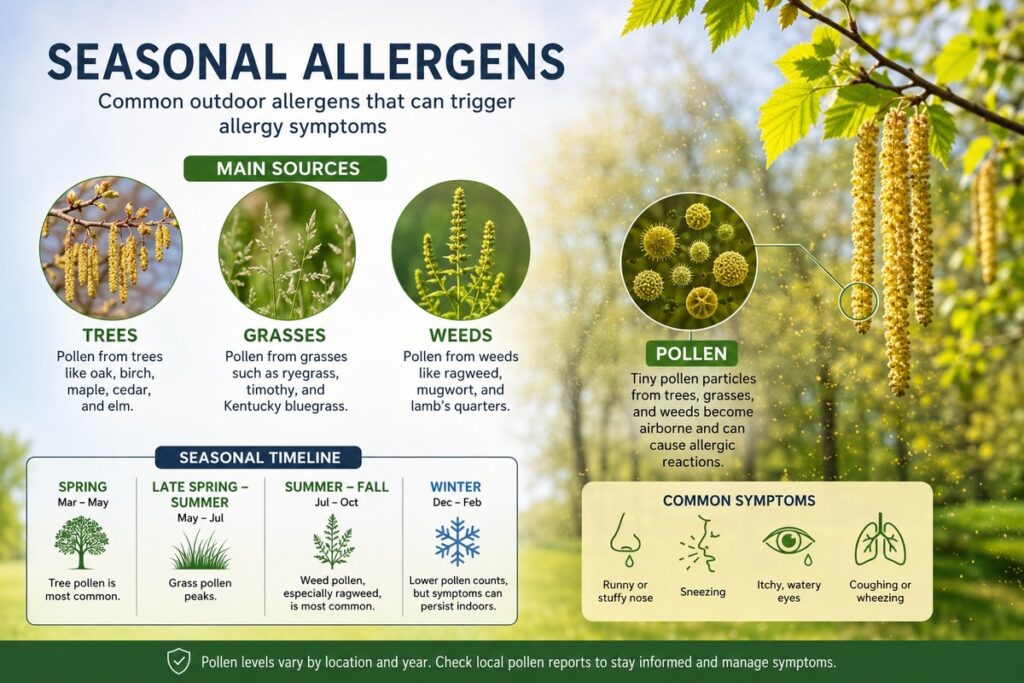
Currently, environmental changes are making allergy season feel more intense. From longer growing seasons and shifting weather patterns to increased pollen and other air pollutants, there’s a strain on your immune system. When we factor in other factors like wildfire smoke and daily life, including stress and poor sleep habits, suddenly, allergy season has you down for the count.
Further, allergies rarely affect just one part of your body. Seasonal allergies can cause everything from fatigue and brain fog to headaches and digestive issues. It’s one reason why naturopathic medicine approaches allergies as a whole-body problem rather than as an isolated symptom to be suppressed.
The approach to allergies with naturopathic medicine is to ultimately shift the body out of the ‘allergy’ immune response. This often involves working with immune-supportive and digestive-healing therapies over time to restore healthy immune function.
Natural Allergy Relief vs Conventional Allergy Treatments
When allergies start, our first inclination may be to head to the pharmacy and pick up an OTC allergy medication. It makes sense; they act quickly to suppress symptoms, and that’s invaluable when you’ve got a runny nose, itchy eyes, congestion, and trouble sleeping. You just want relief. OTC solutions, like antihistamines, decongestants, and steroid sprays, may give you immediate relief from your body’s inflammatory response and short-term relief for symptoms, but long-term? The results are a bit less concrete.
Once the medications wear off, symptoms are likely to return, and quickly. And the return may feel more intense because, while these medications suppress symptoms, histamine activity, the inflammatory response, and immune activation are still ongoing in the background; they’re just temporarily blocked. Once medications wear off, symptoms return and may feel supercharged.
In contrast, natural allergy relief strategies look at the problem more broadly, aiming to support the body and all the systems affected by inflammation, histamine activity, and the immune response. These may include supportive therapies like saline rinses, increased hydration, nutritional support, air filtration, local honey, or herbs like nettle, which we often recommend during allergy season.
Naturopathic medicine is not about temporarily suppressing symptoms but about helping the body respond more appropriately and recover more effectively (without the rebound!).
Natural Allergy Relief Strategies That Support the Whole Body
Naturopathic medicine approaches allergy relief and support as a whole-body effort. Allergies involve the immune system, inflammation, respiratory health, sleep, environmental factors, and stress, so rather than relying on a single solution, we look to support the body in multiple ways.
Lifestyle Support for Allergy Season
These daily habits can improve how your body responds to allergens:
- Prioritize sleep and keep a regular sleep schedule. This helps support immune regulation.
- Hydrate. Hydration helps your body thin mucus and drain sinuses.
- Reduce inflammatory foods (fried, sugary, processed foods) or other foods that may worsen symptoms (dairy, alcohol, some meats and cheeses, etc.).
- Do laundry and shower after time outside, especially if pollen levels are high.
- If recommended, a sinus rinse (neti pot) may help clear pollen or allergens from the nasal passages.
- Reduce stress, as it can spur an immune response.
- Spend more time indoors on high-pollen or windy days to reduce exposure.
Environmental Changes to Support Allergen Reduction
These changes can reduce indoor allergen exposure, providing relief for many patients.
- Invest in HEPA air filters for your living spaces and consider one for your vacuum.
- Vacuum regularly, both carpets and upholstery.
- Close your windows, especially on high pollen days.
- Wash bedding regularly, in hot water, more often if pets sleep there.
- Bathe your pets more often, especially if they spend a lot of time outside.
- Consider a dehumidifier for indoor use, especially if mold is an allergen.
- Monitor pollen and allergen days and plan accordingly.
 Herbal and Nutritional Support for Natural Allergy Relief
As naturopathic doctors, we often recommend herbs and other nutritional support to help calm inflammation and support your body during allergy season.
- Nettle tea or nettle extract helps calm inflammatory activity associated with seasonal allergies. In fact, some research suggests that nettle directly influences histamine receptors, especially those that trigger sinus responses.
- Quercetin, found in many fruits, vegetables, and herbs (including the aforementioned nettle), is helpful because it stabilizes mast cells, the immune cells responsible for histamine during allergic reactions.
- Vitamin C helps support your immune system and inflammatory response.
- Local honey has been studied as a potential treatment for symptoms of allergic rhinitis (sneezing, nasal congestion, and nasal itching).
- Omega-3 fatty acids– typically found in fatty fish, walnuts, chia/hemp/flaxseed, and algae– influence inflammatory signaling, helping to keep inflammation down.
- Herbal teas and hydration can soothe sore throats and irritated airways and help drain sinuses.
Allergies can be intensified by any number of factors, so effective allergy relief should be individualized to address specific symptoms, the environment (home and work), and overall health.
How Naturopathic Medicine Approaches Allergy Relief Differently
As you may already know or suspect, naturopathic medicine approaches allergy relief differently than conventional care. We work with you to understand why your body is reacting so intensely rather than focusing on suppressing symptoms.
Of course, we want you to feel relief, but instead of focusing solely on your sneezing, congestion, or itchy eyes, naturopathic doctors want to look at everything from your immune health and inflammation to stress, sleep, nutrition, and your daily environment. Some of these, along with other daily habits, may be exacerbating your allergy symptoms and influencing how your body responds.
Let’s take a look at two different patients, for example. Both may be experiencing seasonal allergies, but they’ll still require support strategies tailored not only to their symptoms but also to the patterns in their lives that may provide more insight into how best to support them. One person may be struggling with sinus congestion and poor sleep, while the other is experiencing digestive issues and an inflammatory response. The solution and support strategies should not be the same.
Instead, naturopathic care may recommend nutritional support, hydration, air filtration, and herbal support, as well as some lifestyle and environmental changes to reduce irritants and exposure.
While naturopathic medicine doesn’t reject conventional allergy medications– they do offer immediate relief– we focus on making the body better able to respond to allergens in a reasonable way and to build resiliency. The two strategies may be used in tandem for short-term symptom suppression during the worst of the season and naturopathic care to provide longer-term support and decrease the intensity of the body’s allergic response.
 When to Start Natural Allergy Relief for Best Results
In the best-case scenario, natural allergy relief starts well before allergy season peaks. Naturopathic medicine works proactively to support the body so that when threats arrive, allergens in this case, the body is prepared to respond. This is why many naturopathic doctors recommend year-round habits, including nutritional changes and herbal therapies, to help shift your immune system out of the allergy pattern and keep your body ready by the time peak season arrives.
That said, most of us don’t consider allergy support until we’re at the pharmacy, trying to manage symptoms that are impacting us daily. That’s okay too; it’s not too late for naturopathic care to provide a meaningful difference. Reducing allergen exposure, improving sleep, increasing hydration, and other strategies may still help support your body while your symptoms are active.
In the bigger picture? The best time to start natural allergy relief is when you are looking for a proactive solution. Small changes over time may be far more effective at helping you manage allergy season than a quick fix or a pill to suppress symptoms.
What to Expect from Naturopathic Care for Allergies
Naturopathic care hinges on a comprehensive and personalized approach to any health concern. Allergies are no different. Instead of focusing on symptom suppression, your naturopathic doctor is likely to discuss the following:
- Triggers and symptom patterns
- Sleep quality and energy levels
- Eating and drinking habits
- Nutrition, stress, and lifestyle factors
- Potential environmental exposure (home, work, third places)
- Digestive health and inflammation
- Past allergy treatments and their successes or failures
- History of antibiotic use over your lifetime
With this information, your ND will be able to tailor a treatment plan that not only addresses your symptoms but also provides a longer-term strategy. This may include anything from lifestyle recommendations and nutritional support to herbal therapies and environmental changes.
Because naturopathic care is collaborative, patients will actively participate in formulating a feasible plan, with actionable steps, to deliver both immediate and long-term natural allergy relief.
Is Natural Allergy Relief Right for You?
Are you tired of just “getting through” allergy season and accepting that you just don’t feel 100% for a few months? Are you tired of relying on temporary symptom relief that keeps you tethered to a medication so that you can breathe?
Naturopathic care may be a good fit if you’re looking for whole-body support and a better understanding of how all of the factors we’ve discussed may be intensifying your allergic response. It may be a good fit if you’re looking for a longer-term solution to use alongside the immediate relief provided by OTC allergy solutions.
Natural allergy relief isn’t about getting it perfect; we’ll have to tweak and observe over time, but it is about providing more support and balance over time, so next allergy season doesn’t feel so intense.
If seasonal allergies are impacting your daily life, we’re here to help. You can schedule an appointment with our team to discuss personalized allergy support strategies and changes you can start making today to get some relief.
Or, if you’re simply looking for a place to start and to try a natural allergy relief strategy, swing by and pick up some nettle tea. It can help support you through the rest of allergy season. Reach out today, we’ll be happy to see you either way!