
For many Americans, going to the supermarket means a wide variety of foods from around the world. Not necessarily exotic, but from regions with different growing seasons, so we get fruits and vegetables we wouldn’t normally have access to, like oranges in the winter.
When we’re building a colorful plate that represents a wider selection of nutrients and vitamins, this seems like a good plan. Yet eating seasonally and locally may be more beneficial.
Quick Links:
- What Does Eating Seasonally and Locally Mean?
- How Eating Seasonally and Locally Can Support Your Health
- Where Do Processed Foods, Food Safety, and Cost Fit?
- How to Find Seasonal and Local Food in Canby, Oregon
- Make Seasonal Eating Part of Your Everyday Health
 What Does Eating Seasonally and Locally Mean?
Let’s start with what the terms “eating seasonally” and “eating locally” mean.
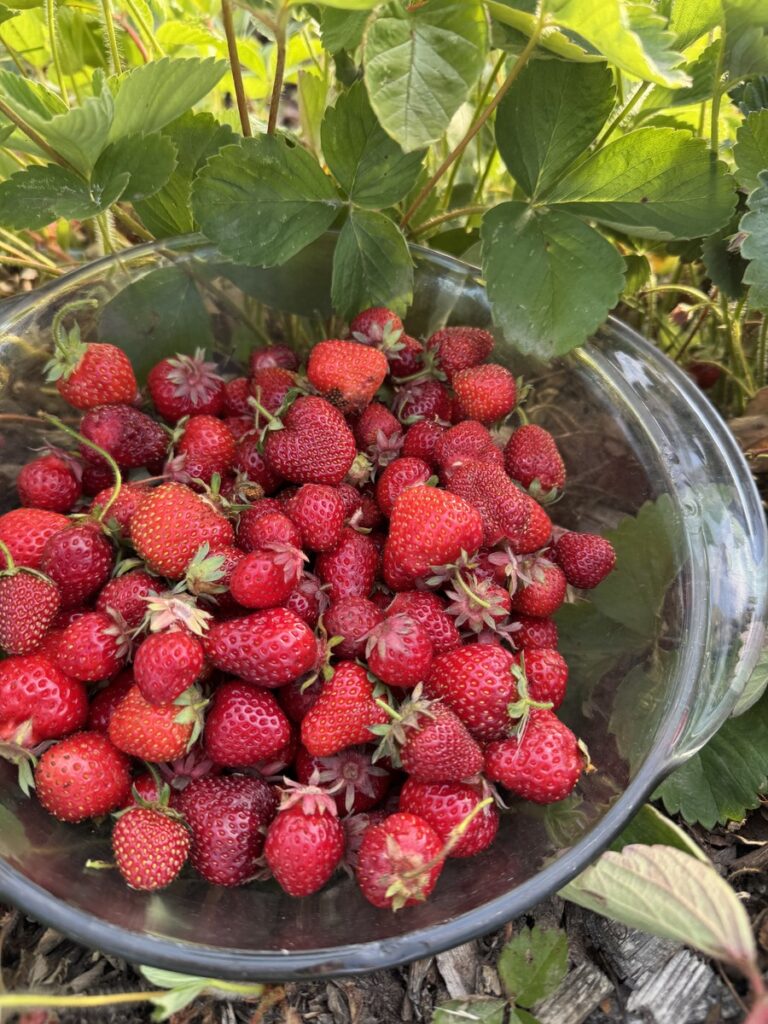
Eating seasonally means choosing foods that are currently in season in your region. With this strategy, what’s growing nearby shapes your meals, and your plate changes with the seasons.
One way to eat seasonally is to eat locally. This means choosing foods grown or raised near where you live.
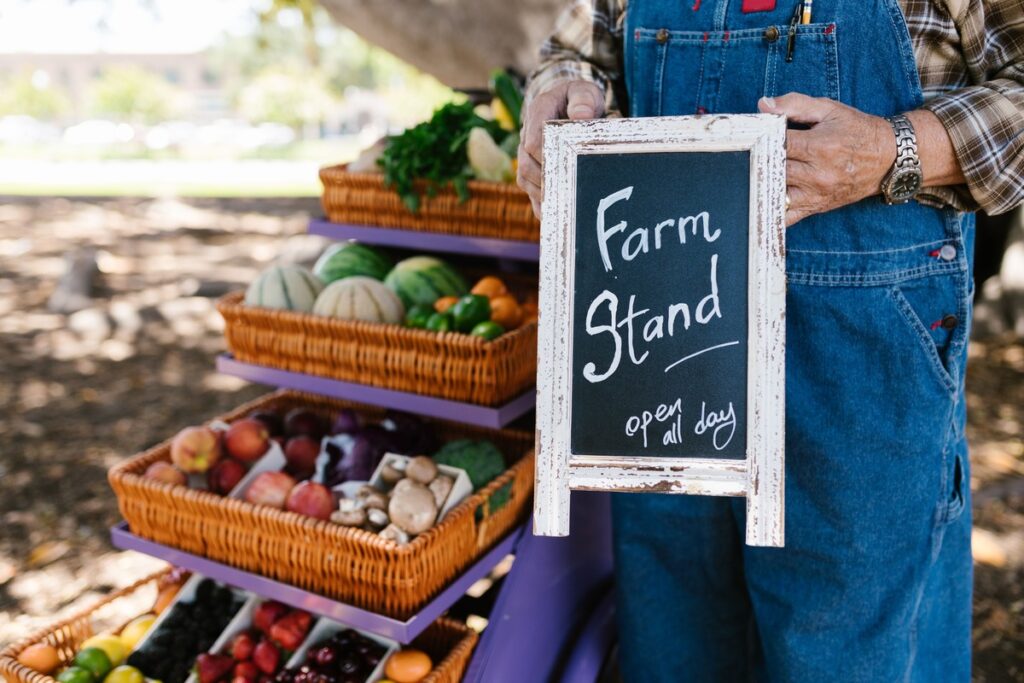
While there’s no definition of what distance qualifies as local, for the purposes of our blog and “discussion” today, we mean food from Canby, Oregon, and the surrounding area. This might mean a farm stand, farmer’s market, Community Supported Agriculture (CSA), or even your own garden!
The two may seem similar, and in some ways they overlap, but one refers to when food is harvested, and the other to where it was harvested. Not every meal demands both, but the goal here is to make room on your plate for local, seasonal foods.
You may find they’re fresher, more flavorful, and, as we’ll discuss, in some ways better for you.
How Eating Seasonally and Locally Can Support Your Health
When you source your food locally (more on that below), you not only support local farmers, but you can also increase food variety and improve nutrient density. These benefits come from growing conditions, freshness, and what you actually end up consuming.
If you’ve ever joined a local CSA, you know your produce box will sometimes introduce you to a local vegetable or fruit, forcing you to learn to cook with it. This is a great benefit, and it also benefits your health.
How Eating Seasonally Can Support Your Health
If you’re like most folks, you probably buy the same produce every week. It’s fair. You know what you like, and you know what you know how to cook. Eating seasonally is a good way to branch out and explore.
For Canby residents, that might mean asparagus and peas in the spring, blueberries and tomatoes in summer, and broccoli, carrots, and pears in fall. We have a pretty wide range of fruits and vegetables available to us here.
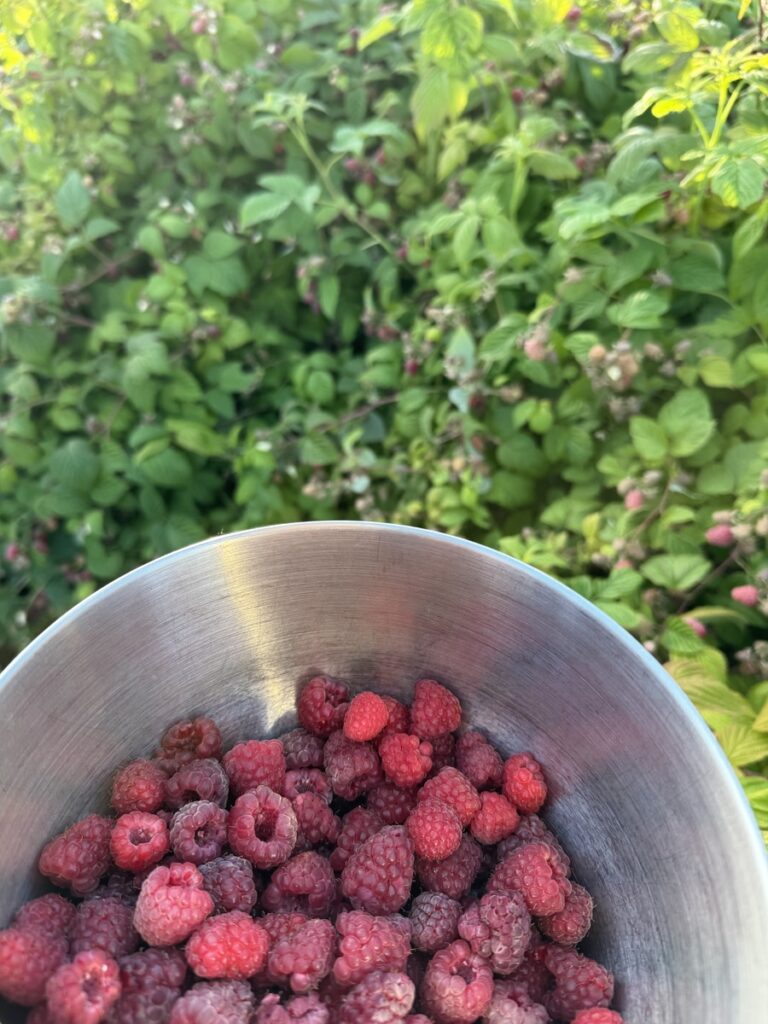 Not only are all of these tasty and fresh, but this variety also adds different nutrients to your plate. Summer berries provide anthocyanins, which support heart and brain health. In the fall, root vegetables (roasted veggies, anyone?) provide fiber and carbohydrates to fuel your body and keep you feeling full.
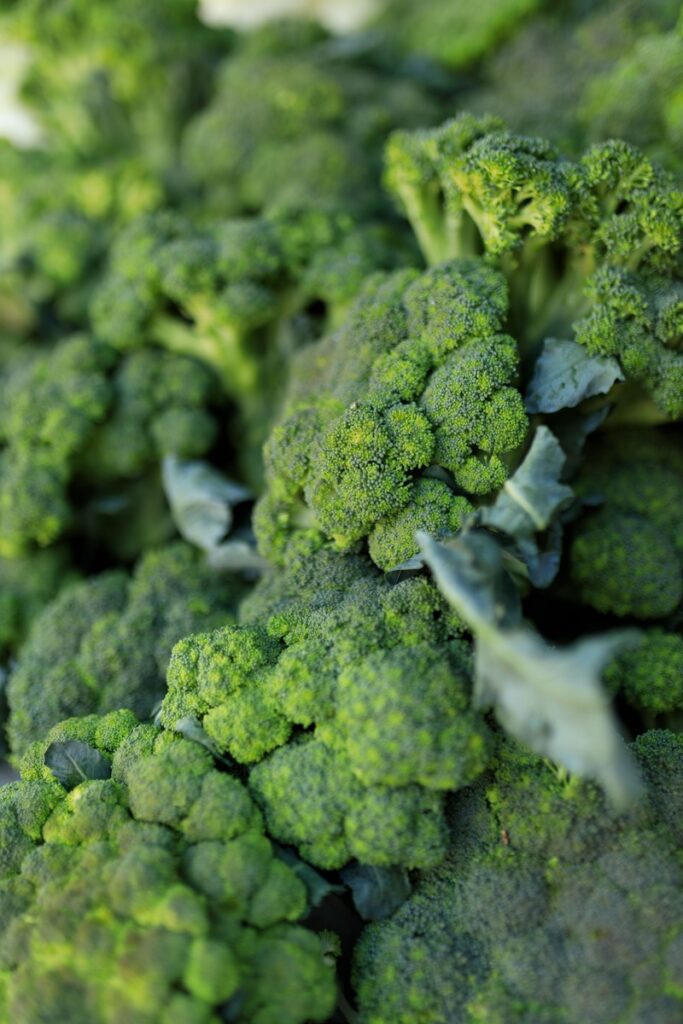
Additional research suggests that, beyond different nutrients, seasonal food often puts more of those nutrients on your plate. For example, one study found that supermarket broccoli sampled in the fall had almost twice the vitamin C levels as samples taken in spring.
This doesn’t mean every fall vegetable or every Oregon vegetable will show those nutrient differences, but it does show that nutrient content can vary widely across seasons, which may have much to do with growing conditions and the time between harvest and sale.
How Eating Locally Supports Your Health
That time between harvest and sale is vital for any product. Less time spent in transportation and storage after harvest may help preserve nutrients and beneficial plant compounds.
The impact may vary, as different nutrients respond differently to these factors, but if we look at broccoli as an example (broccoli? again?), one study found substantial nutrient losses after seven days of refrigeration and then three days of retail storage. Over 10 days, the broccoli lost substantial amounts of several plant compounds, including glucosinolates and flavonoids. Vitamin C, however, didn’t seem to change as drastically.
Freshness may better indicate nutrient levels, but local often means shorter transportation and storage times.
 What About Local Meat and Dairy?
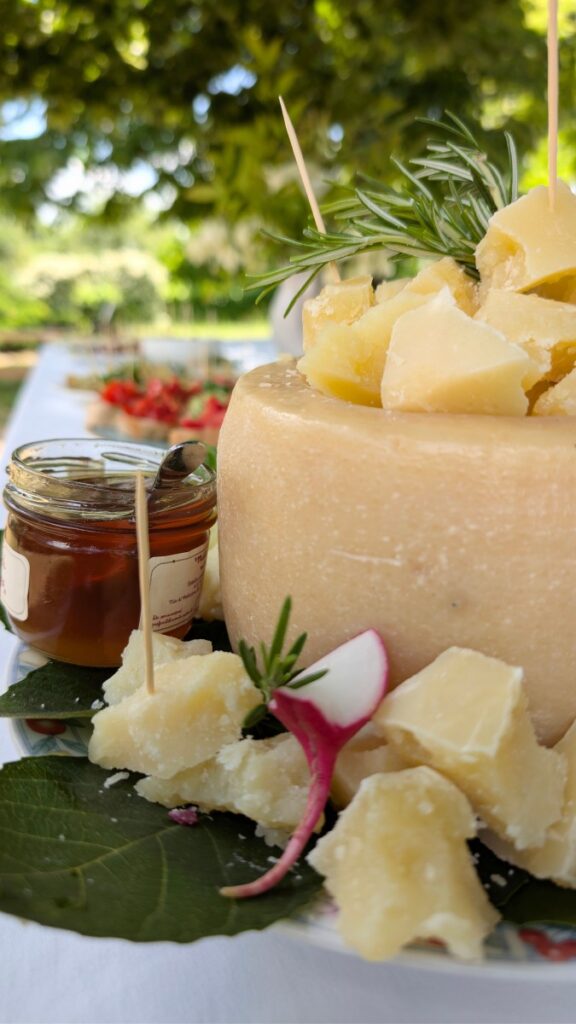
Let’s not forget about meat, milk, yogurt, and cheese! Research is far more likely to link nutritional value to how animals were fed and raised than to proximity to your home, but there’s still some interesting information here.
When you buy meat and dairy locally, especially at a farmer’s market, you can talk to the farmer and learn how the animals are raised, from pasture time to housing and care.
In fact, USDA research on dairy farming suggests that smaller dairies tend to let their herd graze on pasture, while larger farms typically house cows in barns and feed them in dry feedyards.
Similarly, buying eggs locally lets you ask how the hens are housed, what outdoor access they have, and what they eat. One study found that eggs from pasture-raised hens had nearly twice as much vitamin E and 2.5 times as much omega-3 fatty acids as those raised in cages.
Eating locally lets you talk to producers and understand what you’re supporting, including animal care and welfare, which may contribute to the overall nutrient quality and freshness of the foods you choose.
Where Do Processed Foods, Food Safety, and Cost Fit?
Eating seasonally and locally adds more than flavor and nutrients to your plate. You’re also supporting the local economy and nearby farmers while learning where and how your food is produced. You’ll often find better value, especially when you eat seasonally, when products are most abundant.
Supporting Local Farmers and the Local Economy
When you buy directly from a farmer or producer, your money goes straight to them. Your purchases directly support the agricultural community in and near Canby. No distributor or retailer takes a cut. In turn, that money often stays in the community or supports growth.
In 2025, the USDA published a report that small family farms sold nearly $2.4 billion in food through farm markets, farm stands, and CSA programs. That matters not only for the farms themselves, but also for the food in your community and the local economy. Local money often stays local.
 Saving on Your Grocery Bill
While buying directly from the grower or producer can cut out middlemen, it doesn’t always mean savings. The size of the farm, the harvest, and the costs of labor and growing practices can also mean fluctuating prices.
However, seasonal abundance may lower costs. When products are in season and harvests are fruitful, costs may be lower. While it’s not Oregon, a study in Nebraska found that lettuce prices dropped by nearly a full dollar between May and July based on seasonal availability, while other produce went up. Shopping seasonally can save you money.
Another way to save is to talk directly to nearby farms. Many offer u-pick and bulk purchase options (go in with some neighbors or friends) or even discounts on “ugly” produce. Buying in bulk and preserving or freezing is a great way to save.
Room for Whole Foods on Your Plate
Seasonal, local ingredients are a great way to prepare more of your own food and make more meals from whole or minimally processed foods. While everything isn’t about weight loss, it is a side benefit of making this switch.
A UK study found that participants following a diet of minimally processed foods lost 2.06% of their body weight, compared with 1.05% for those who included ultra-processed foods. Similarly, overall body fat, triglycerides, and blood pressure decreased more. Overall cholesterol also dropped.
The bottom line is that overall nutritional quality matters, variety matters, and introducing seasonal, local foods can help.
Knowing Where Your Food Comes From
As kids, some of us take field trips to local farms or food production places, and for some of us it’s the first understanding that food doesn’t come from the grocery store, the refrigerator, or the cupboard.
These days, knowing where your food comes from is a value (again, keeping it local and supporting farmers), but in some cases, it’s also a safety issue. In 2026, USDA-regulated food recalls impacted nearly 37.2 million pounds of food during the first half of the year. This is a measure of the amount recalled, not the number of recall events themselves.
This report covers USDA-regulated foods rather than the entire food supply, some of which is FDA-regulated. The USDA regulates meat, poultry, and processed eggs (think liquid or dried egg), so those recalls largely focused on prepared foods and meals.
Buying directly not only encourages you to cook more at home, but also gives you access to farmers and producers as a resource for what to cook and how to cook it. They can provide information on everything from harvesting and washing to handling, storage, and preparation.
Direct buying reduces the processing, shipping, handling, and storage, creating greater transparency into where your food comes from and how it gets to you. Simply put, it’s an informed choice. You can learn about safe growing practices, proper storage and refrigeration, and safe handling, which are key to safe food.
 How to Find Seasonal and Local Food in Canby, Oregon
The good news about eating seasonally and locally is that you have plenty of options in the Canby, Oregon area. Whether you’re looking to supplement your grocery list or buy most of it from local growers and producers, you have options.
Check out the farmer’s market: The Canby Farmers Market is an excellent way to explore what’s available in our area. Food growers and producers gather each Saturday, May-October, offering what they’ve grown and made to the public. It’s a great opportunity to ask what’s seasonal and how to cook it.
Try a U-pick farm: U-pick can be a fun way to find your produce, and fruit picking is also a fun family activity. Morning Shade Farm offers u-pick blueberries during berry season, along with other seasonal fruits and vegetables. They also sell pre-picked berries, but you miss the fun and the blue fingers. The Canby-area Farm Guide also features farms where u-pick is an option, from flowers to fruit!
Try a local CSA: CSAs are a great way to support local farms. Your subscription supports the planting season, and during harvest, you get a regular box of produce and sometimes other products from the farm you choose. It’s a great way to explore vegetables you don’t know and learn to cook new recipes. Locally, check out Wild Gully Farm’s seasonal CSA or the Pacific Northwest CSA directory for other options. Share sizes, costs, products, and length of season may vary!
It’s not just produce: While we’ve talked a lot about produce, you may find meat, cheese, eggs, and local honey at the farmers market. Nearby, Vale Garden Farm offers pasture-raised eggs and poultry, and TMK Creamery makes cheese (and lets you tour the farm!)
Ask your grocer: Grocery stores, even chains, often carry local options. Ask the grocer or carefully read labels and signs to find products grown or produced locally. Similarly, shop local grocers like Cutsforth Market, which has served Canby with locally grown and produced products for nearly 100 years.
Hidden Gems:
Sometimes the best resource is your neighbor. Ask where they get local food and produce, and you’ll discover hidden gems like Mrs. Ivanov, who offers u-pick veggies such as peppers, cucumbers, zucchini, berries, and grapes, plus whatever her small farm grows, especially when the harvest is bountiful. You can also call ahead to arrange pickup, and their farm doesn’t spray.
And, if you’re wondering what is seasonal, check out Oregon State University’s seasonal food guide. You’ll find fall options like apples, pears, carrots, and broccoli, plus winter staples like kale, cabbage, and squash.
This lets you prep ahead, whether you’re blanching and freezing, canning, or making soup stock you can add seasonal products to later.
Make Seasonal Eating Part of Your Everyday Health
Think this means an overhaul of your grocery list? A major dietary change? Think again. Every change that sticks starts small and incrementally. Try adding local seasonal fruit or vegetables to your diet this week.
Check out your local farmer’s market, talk to your neighbor, or ask your grocer what’s local (or just head over to Cutsforth’s).
Have bigger questions about diet and nutrition? We’re here to help.
At Canby Clinic, we know nutrition is a key foundation of health, and we talk about it. We’ll talk about your current diet, how you’re feeling, and consider how your eating habits are serving your health needs and goals. We’ll talk about preferences, budget, and your everyday routine.
The goal isn’t burden; it’s better.
Ready to talk about your diet and nutrition? Reach out to our team today to schedule an appointment. Not a client yet? Schedule a free 15-minute meet-the-doc call, and one of our naturopathic doctors will discuss how we can help!
Get cooking or get calling!