
Teas, tinctures, pills, and gummies, oh my! Some herbs come in one form, while others come in many. What does it mean? How do you choose?
Before you choose the form, you must understand why you’re taking something. Why always comes before what when it comes to herbal supplements. Once you know why, you can begin exploring your options with your doctor.
Still, it’s normal to have questions about why herbal supplements come in different forms and whether those forms affect what you’re getting, so let’s take a closer look!
Quick Links:
- What Is an Herbal Supplement?
- Why Does the Form of an Herbal Supplement Matter?
- Tea vs. Tincture vs. Capsule: Which Herbal Supplement Is Best?
- The Best Herbal Supplement Is the One Chosen for a Reason
What Is an Herbal Supplement?
We want to be clear about how we define this. At Canby Clinic, we recommend vitamins as well as herbal supplements, sometimes alongside one another. While both are dietary supplements, they serve different purposes.
Herbal supplements, sometimes called botanicals, are made from plants. From roots and flowers to leaves and seeds, plants contain naturally occurring compounds that can benefit you for many reasons and conditions.
In contrast, vitamins provide essential nutrients and help fill nutritional gaps while supporting overall health and well-being.
Truth is, you’ve probably had an herbal supplement. Ever had herbal tea? Many herbs have a long, well-documented history of supporting the body through different conditions, like ginger for an upset stomach or chamomile to calm the nerves.
Traditionally, people prepared many herbal remedies as teas or broths, but they also used powders, balms, and poultices. Today, herbal supplements come as capsules, gummies, or liquids. Does the form matter? We’re going to get into that!
Discuss both vitamins and herbal supplements with your doctor, as they may be inappropriate for certain individuals, interact with medications, or cause side effects.
Why Does the Form of an Herbal Supplement Matter?
If you’ve ever looked closely at the shelves in the herbal supplements section of your grocery or health food store, you’ve probably noticed that the same herb often comes in multiple forms. Less commonly known is that they’re not necessarily interchangeable. It may not be a case of “I’d prefer tea over a pill.”
How an herbal supplement is prepared affects which plant compounds are extracted and at what concentration.
Let’s take peppermint as an example: leaves may be steeped to make a tea that can relieve digestive discomfort; as a tincture or distillation, it can be used topically for tension headaches. While leaves are suitable for tea and ingestion, peppermint oil or a distillation can be harmful if ingested. The two are not interchangeable.
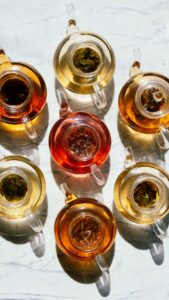 Herbal Teas
Herbal teas are traditionally made by steeping plant parts in hot water. Leaves, flowers, and stems are most common, but decoctions may use roots and bark.
One limitation of teas is that it’s hard to gauge how much of an active plant compound you’re getting, since the herb amount, water amount, temperature, and steeping time all affect concentration. These factors may also impact taste.
That said, tea as a ritual is comforting, and people who appreciate a warm drink, especially in colder seasons, may find tea an excellent option.
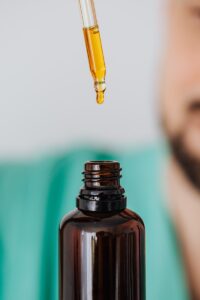
Tinctures and Liquid Herbal Remedies
Tinctures and extracts are made with alcohol and water, and while a perfect solution for those who can’t take pills, they’re not a great option for those who may be in recovery. They also tend to have a strong taste, so if you’re sensitive to that, other options may be better.
Tinctures and other liquids can also vary in concentration, so read the label. Concentration levels affect dosing, so while several drops of one brand may be great, the next brand you try may not be the same. Consistency, purity, and quality are key.
Capsules and Pills
Herbal supplements can also be powdered or dried and made into capsules or pills. Convenient, easy, portable, and often tasteless, these are a great option for many. However, as with everything, reading the label on herbal supplements is essential.
Herbal supplements vary widely in concentration and which part of the plant they use. Be sure to check active ingredients and their amounts per serving, not just how many pills you’ll need to take.
Also, check whether this form and concentration fit your needs.
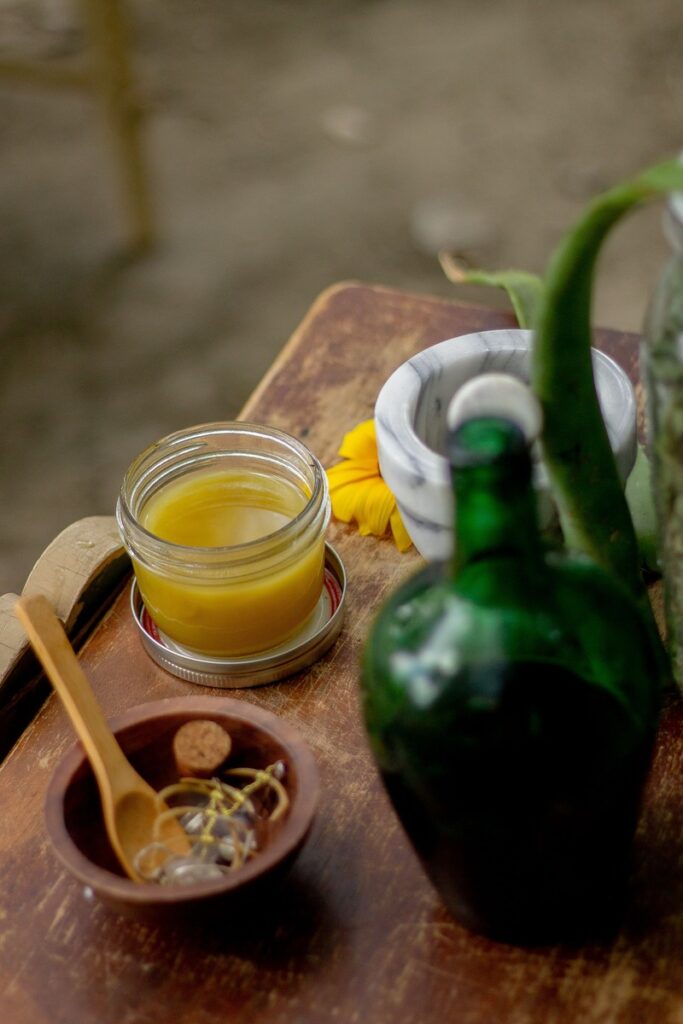 Poultices, Salves, and Balms
Topical preparations also have their place. These are applied to the skin, but poultices are moistened plant material applied directly to the skin, while salves and balms incorporate herbal ingredients into a base like a lotion or oil.
Topical solutions typically treat localized concerns such as pain or skin irritation. That said, consult a doctor before applying any herbal solution to broken or irritated skin, as even plants can cause skin or allergic reactions, especially if used incorrectly.
Gummies
Gummies are having a moment. It’s easy to see why. They’re chewable and often tasty, so they’re great for people who don’t like liquids or can’t take pills. And in many cases, if a gummy option helps someone remember to take their supplements, it’s a great choice.
As with any herbal supplement, start with the label. The downside of gummies is that they often include additives and fillers you don’t need. Many gummies include sugars and sweeteners, so watch for those.
While something that tastes good might make you more likely to take it, there’s a tradeoff. Flavors don’t make it more or less potent; choose wisely, and keep it out of reach of children who may mistake it for candy!
Gummies also make consistent dosing challenging. From a manufacturing standpoint, it is nearly impossible to get the same mg dose from one gummy to the next. This is not the case with capsules and powders.
Curious about fillers and additives? Read more here!
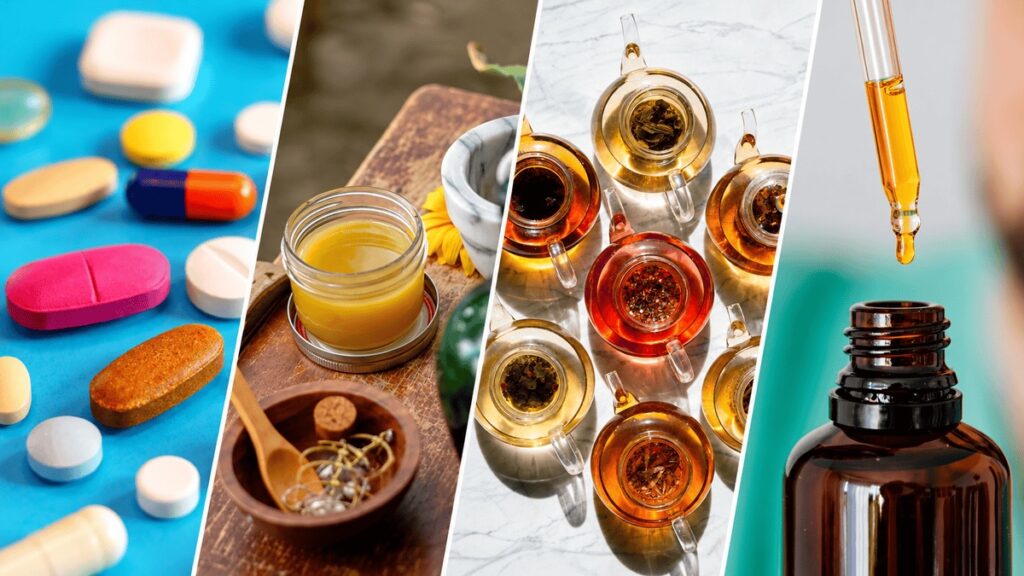
Tea vs. Tincture vs. Capsule: Which Herbal Supplement Is Best?
With so many options, choose the one that’s right for you. No single herb or form will work for everyone.
Any time you’re considering what supplements you should take, start with the concern you’re addressing, what research supports, what your doctor recommends, and, most importantly, what fits your routine and preferences. No supplement works without you taking it.
As we mentioned, teas, tinctures, and pills made from the same plant may include different ingredients, compounds, and concentrations. Form doesn’t tell you how effective an herbal supplement will be or whether it matches your needs. Work with your doctor to choose the best option for you!
| Factor | Tea | Tincture | Capsule |
| What it contains | Plant compounds extracted into water | Plant compounds extracted into alcohol and water | Powdered plant material or a dried extract |
| Preparation | Requires steeping; some herbs need simmering | Ready to measure; may be mixed with water as directed | Ready to swallow |
| Taste | Herbal flavor is part of the experience | Often has a strong herbal or alcohol taste | Little or no taste |
| Convenience | Requires water, brew time, and a cup | Portable, but requires measuring (often includes dropper) | Portable and easy |
| Serving consistency | Varies with herb quantity and brewing method | A measured serving provides a set volume; concentration varies by product | A fixed amount per capsule; contents and concentration vary by product |
| Concentration | Depends on the herb and brewing method | Depends on the extraction method and product strength | Depends on whole-herb powder or an extract |
| Avoiding pills | Suitable for people who prefer a drink | Suitable for people who prefer a liquid | Requires swallowing a capsule |
| Ingredients to check | Other herbs, flavors, or sweeteners in blends | Alcohol content and other ingredients | Capsule material, fillers, and other ingredients |
| May suit someone who… | Enjoys tea and has time to prepare it | Wants a liquid without brewing | Wants a convenient option without herbal taste |
| Evidence of benefit | Look for research on the tea preparation | Look for research on a comparable liquid extract | Look for research on the specific powder or extract |
| Safety considerations | Herbs can still cause side effects and interactions | Concentrated preparations require careful measuring | A capsule is not automatically safer or more effective |
One thing matters across all of these: product quality. Knowing and trusting that a brand is consistent and quality-focused can help assure you that you’re getting the same preparation and concentration across doses and products.
The Best Herbal Supplement Is the One Chosen for a Reason
This is not a case of form over function. When choosing any herbal supplement, the top priority is understanding what issue you’re trying to address. A clear purpose will guide decisions about which herb, preparation, and dosage best support your health. A clear goal also helps you monitor whether it’s working.
At Canby Clinic, our naturopathic doctors will review your health history, symptoms, and current medications and supplements before making recommendations. While herbal supplements may be appropriate in some situations, persistent symptoms may need further evaluation, including labs and tests.
Reaching for an herbal supplement and grabbing an option off the shelf may seem harmless, but ‘plant’ does not always equal ‘safe’, especially when you have other medications or concerns.
We can help you sort out your symptoms and options. Contact us to schedule an appointment to review your supplements or book a free, 15-minute “meet the doc” call to learn more about us and our naturopathic approach to your well-being and health.