
“Winter is coming” is a prescient line from Game of Thrones, but it also captures a familiar feeling in northern latitudes like Canby, Oregon.
As winter settles in, we feel it in so many ways, and we’re not just talking about seasonal colds. Less sun can affect our mood and vitamin D levels. In some cases, a sun lamp might help, but what kind and which one?
Quick Links:
- What Is a Sun Lamp?
- Do Sun Lamps Work for Seasonal Depression?
- Can Sun Lamps Provide Vitamin D?
- Choosing and Using a Light Therapy Lamp Safely
What Is a Sun Lamp?
We’re here to discuss sun lamps, but the conversation really needs to start at the beginning because “sun lamp” is a really broad term for a variety of lamps that reproduce different levels and features of light.
We’ll discuss two kinds of lamps: those that aim to support winter mood and those that stimulate vitamin D production.
Bright light therapy lamps, or SAD lamps, provide bright visible light to help people with seasonal affective disorder (SAD). These filter out ultraviolet radiation (UV light), so they don’t help with vitamin D.
Then, there are UVB lamps, which deliver ultraviolet B radiation that can help stimulate vitamin D production. However, UV exposure can carry skin and eye risks.
Before we dive deeper, it’s important to understand that these two kinds of lamps are different and not interchangeable. Producing vitamin D and supporting seasonal depression might be related, but they’re not the same and require different approaches.
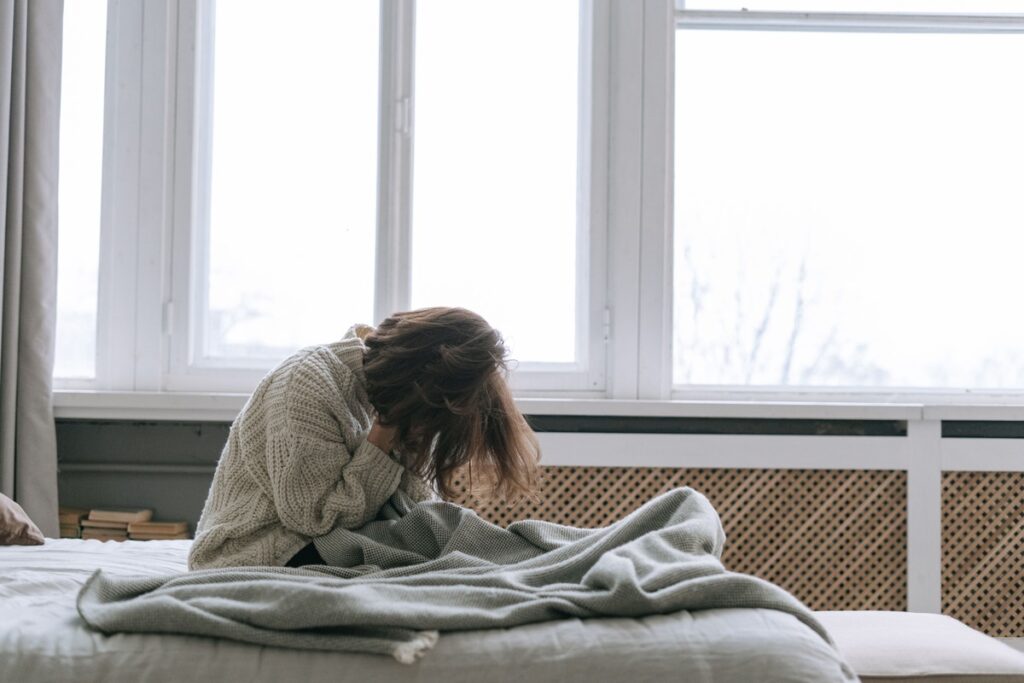 Do Sun Lamps Work for Seasonal Depression?
Let’s start with sun lamps. As PNW residents, not getting enough sun is common here and can absolutely contribute to seasonal depression. That’s where bright light therapy comes in.
Bright light therapy can help treat SAD and seasonal depression, but the right lamp, timing, and consistent use are essential.
What is Seasonal Affective Disorder (SAD)?
Seasonal Affective Disorder is a subtype of depression or mood disorder that follows a seasonal pattern. For people who experience winter-pattern SAD, symptoms usually start in fall or early winter, and then mood improves in the spring.
It’s important to note that there are two types of SAD: subsyndromal SAD, often called the “winter blues,” and SAD, which meets the criteria for a depressive episode. Subsyndromal SAD still follows a similar seasonal pattern but has fewer or milder symptoms. Regardless of the degree of SAD, both can still affect energy, mood, and daily life.
Symptoms may include persistent sadness, loss of interest in activities, lower-than-normal energy, difficulty concentrating, oversleeping, and cravings for carbohydrates.
Sound familiar? For many of us, this is just winter, but when it starts to interfere with work, relationships, everyday responsibilities, and other aspects of health, it’s a sign you should talk to your doctor.
A key component of SAD, as mentioned, is that people typically start to feel better in spring. If the symptoms become severe or persistent, please talk to a doctor.

For those of us in the PNW, shorter days and grayer skies can amplify these feelings. In fact, SAD is more common in northern latitudes(including Canby and Oregon). While researchers are still investigating, reduced daylight likely interferes with our body’s internal clock and the systems that regulate mood and sleep.
How Can Bright Light Therapy Help?
Our internal clock, or circadian rhythm, is our body’s 24-hour timer that helps us both wake up and wind down for sleep. It also helps us regulate body temperature, hormone releases, and digestion. It’s also remarkably sensitive to light.
When morning light reaches our eyes, it signals the day has started and helps us become alert (and sets the timer for sleep later in the day). Bright light therapy mimics daytime signals that can help keep this internal clock aligned during seasonal changes, when less light can disrupt it.
If you’re simply looking to readjust to less light and improve circadian rhythm regulation, you don’t need UV exposure or a boost in vitamin D production. In short, a “happy light” will do the trick.
To meet that goal, many of these sun lamps use a UV-filtering 10,000 lux light, and the National Institute of Mental Health suggests users sit near it for about 30-45 minutes each morning. Many people feel improvements within 1-2 weeks, and they recommend using them throughout the winter.
Again, if your symptoms are severe, persistent, and interfere with daily life, please consult a healthcare provider as additional support is available.
Can Sun Lamps Provide Vitamin D?
The short answer is yes, but it really depends on the sun lamp you buy. Some emit the UVB radiation needed to trigger vitamin D production, but the sun lamps mentioned above (bright light therapy or happy lamps) do not.
Why SAD Lamps Do Not Raise Vitamin D Levels
While lights designed for Seasonal Affective Disorder (SAD) provide bright light to mimic the sun and trick your body’s internal clock into believing it’s getting sun, they filter out UVB radiation.
To trigger vitamin D production, your skin must be exposed to that UVB radiation so your body can convert compounds into D3. Because “happy lamps” filter that out, your skin doesn’t get what it needs.
What about UVB Lamps Marketed for Vitamin D?
This is trickier because it depends on the lamp’s quality and other factors. Let’s dig into that a bit (and we’ll provide some recommendations below).
Vitamin D production with a lamp depends largely on the lamp’s quality, exposure duration, skin exposure, skin tone, and age. More specifically, older folks and those with darker skin usually produce less vitamin D from the same UVB exposure.
Because of these variables, it’s hard to gauge exactly how much vitamin D you’ll get from a lamp, and diet and supplementation are still recommended as the primary mechanisms for nutrients and vitamins, including vitamin D. Regular labs that test vitamin D levels in the blood can confirm treatment and avoid over- or under-treating a deficiency.
UVB lamps have not been established as a way to improve seasonal depression, so they shouldn’t replace bright light therapy. Similarly, raising vitamin D levels is not a treatment for depression, and research is not yet detailed on whether vitamin D supplementation is appropriate for treating SAD.
 Vitamin D and Winter
This doesn’t mean vitamin D levels don’t take a hit in winter, especially in the PNW. The lower sun angle significantly reduces the UVB available for vitamin D production, even on sunny or clear days. When we combine lower UVB levels with cloud cover, more clothing, and time spent indoors, we have a perfect recipe for reduced exposure.
This makes it harder to get adequate vitamin D. Sun lamps can help. So can diets rich in salmon, vitamin D-fortified dairy or plant milks, and UV-exposed mushrooms, which can help support vitamin D levels.
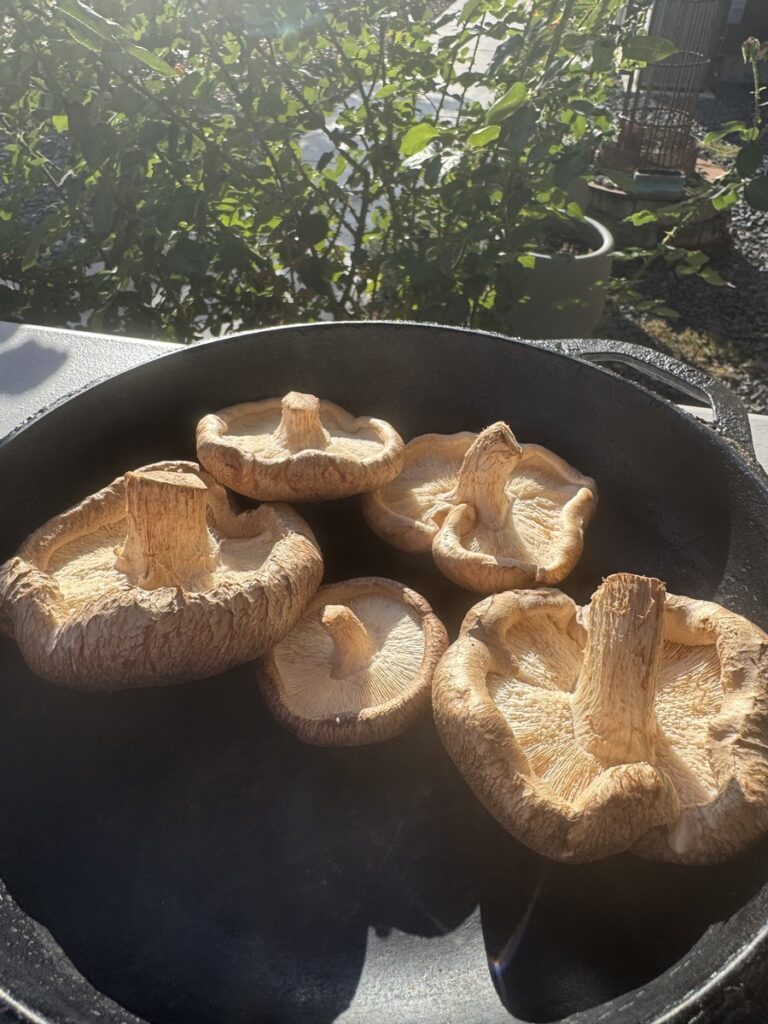 Supplements are another option when you can’t get enough vitamin D from food, but knowing how much to take and how to combine these solutions can be challenging. Talk with your doctor about your most recent labs and how you feel, and start the conversation about where you can and should start when it comes to getting vitamin D in a PNW winter.
**Mushrooms, like humans, can manufacture vitamin D from sunlight, so simply exposing them to UV rays outside before consumption can boost their vitamin D content. Recent research supports the claim that UV-exposed mushrooms can boost vitamin D levels
Choosing and Using a Light Therapy Lamp Safely
The first and most important question is: What do you need? Are you looking to boost your mood or your vitamin D levels? Your answer will determine where to start. If both are an issue, talk to one of our naturopathic doctors, and they can help!
For Seasonal Mood Support: A UV-Free HappyLight®
If you’re looking for a seasonal mood boost, choose a lamp that delivers 10,000 lux at a specified distance (so you know where to place it), filters out UV radiation, and fits into your routine. A light won’t help if you don’t use it.
Operating distance matters because some lamps require you to sit fairly close to get the desired intensity, which may not fit your routine, especially if you have to set aside a half hour to sit in front of a lamp.
Wondering what to consider? The Mayo Clinic has a useful light-box guide, which goes into detail about what to look for before purchasing.
The Verilux HappyLight® collection is also a great place to start. With multiple UV-free models delivering 10,000 lux. Choose a model that lets you place the lamp where you can use it while continuing your regular morning routine, whether that’s over a cup of coffee, breakfast, or even morning emails.
Before using the lamp, read the instructions, avoid staring into the lamp, and follow the distance and time directions.
If your symptoms persist, or if you have any conditions that might be exacerbated by the light itself, including eye conditions, medications that make you more sensitive to light, and bipolar disorder, talk with a provider.
For Vitamin D: Discuss UVB Lamps With Your Provider First
If you’re looking to boost vitamin D production, one option to discuss with your doctor is the Sperti Vitamin D Sunlamp, which includes a timer with automatic shutoff and UV-blocking eyewear to protect your eyes.
Sperti also includes important warnings to understand before choosing a product and deciding whether diet and supplementation may be a better option for you. Those concerns include any history of skin cancer or fair skin that burns easily.
Light sensitivity concerns would apply here as well, so consult with your doctor before choosing a sun lamp to support vitamin D during winter. Food and supplements are sufficient for most people, and your doctor can recommend diet and supplements as needed.
If you are already starting to feel the tinges of seasonal affective disorder or are concerned about vitamin D levels, reach out to the naturopathic doctors at Canby Clinic. From foundations of health like nutrition and sleep to reading labs and reviewing medication, we’re ready to help you feel better.
Because we’re in the PNW, we understand how winter and grey skies can affect your health. We’re happy to help you develop a plan based on your health history and unique needs. Schedule a free 15-minute meet-the-doc call or an appointment with your naturopathic doctor.