
As the days get shorter, we tend to head indoors earlier. In the Pacific Northwest, the rains arrive too, and we’re more inclined to cozy up on the couch with a good movie or show and a snack.
At work, someone is coughing. At school, kids pick up colds from friends. Suddenly, the cozy couch becomes more about nursing illness and convalescing. Instead of snacks, we’re holding tissues.
Before the season is in full swing, it’s a good idea to check your daily habits to help keep you and your family healthy. Immune support starts with these– sleep, nutrition, movement, hydration– and finding practical ways to keep these foundations strong throughout the winter should be a priority.
Quick Links:
- Why Indoor Season Calls for a Different Approach to Immune Support
- Sleep, Nutrition, and Hydration: Everyday Foundations of Immune Health
- How Time Outside and Movement Provide Immune System Support
- Stress Reduction, Connection, and Community Belong in the Immune Support Plan
- When to Consider Immune Support Supplements or Seek More Help
 Why Indoor Season Calls for a Different Approach to Immune Support
Here in the PNW, the colder months typically mean the daylight fades well before dinner and rain is more frequently in the forecast. We spend less time outdoors and move our gatherings indoors.
Indoors, windows are often closed, and we share air not only with people we know but also with strangers in schools, cafes, shops, gyms, and more. We’re also sharing any respiratory viruses we may have picked up in the places we frequent, especially when spaces are crowded and ventilation is poor.
While spending more time outside, using fans and filters, and improving indoor airflow can help, other seasonal challenges remain.
Busy holiday schedules can make regular habits like meal prep and movement harder, while leaving less time for good rest and sleep. With holiday food and drinks, parties, and travel, it’s easy to push daily habits to the back burner.
However, our immune system doesn’t get a break for the holidays. In fact, in some cases it’s working overtime, and winter immune support starts with prioritizing the everyday foundational habits that keep us healthy.
When Is Cold and Flu Season?
You’ve probably already started seeing commercials for cold and flu products, from tissues to medications. Flu activity in the US typically increases in the fall, peaking between December and February.
However, depending on the strain and other factors, every flu season varies.
Colds, as many of us know, are year-round. While flu season can be tracked, colds have no season.
That said, preparation is still useful as indoor season approaches. Review your schedule and calendar, and start developing strategies to get enough sleep, prepare nutrient-dense meals, make time for movement, and cultivate calm amid the stressors of the holiday season.
Being mindful of these habits, along with practical prevention measures such as washing your hands and staying home and resting when you’re ill.
Sleep, Nutrition, and Hydration: Everyday Foundations of Immune Health
Your immune system rarely gets a break. It’s working around the clock, day in and day out, to help keep you healthy. That’s why we need to prioritize the everyday habits that support its function. Sleep, nourishing meals, and proper hydration are the building blocks.
Without those foundational three, it’s hard to stay healthy, especially when our schedules get hectic and our calendars fill up with events. As we spend more time indoors, these challenges grow.
Small, consistent choices around these habits can make it easier for you to prioritize and schedule them, regardless of the season.
 Sleep and Immune Support
If you’ve ever slept poorly for a night or two, then you’re keenly aware of the impact it has on you. For your immune system, sleep is essential.
While you’re sleeping, T cells, which help your immune system recognize and respond to threats, are being redirected to lymph nodes where immune responses begin. In short, sleep is when your body is best able to recognize and respond to threats.
Most adults need about 7-9 hours of sleep a night to stay healthy. This number depends on several factors, including age, activity level, and overall health.
So how can you ensure better sleep during “indoor season”? Treat quality sleep like a non-negotiable (often it’s the first thing we abandon). Set a consistent sleep and wake time, wind down before bed, turn off screens, and monitor your caffeine and sugar intake.
For some, exercise later in the day helps; for others, it interferes with sleep. Keeping a sleep journal can also help you identify factors that interfere with sleep, whether that’s falling asleep or staying asleep.
If sleep disturbances persist, talk with your doctor.
 Nutrition for Immune Support
So much of our overall health hinges upon our diets. Our immune systems are no different. More specifically, they rely on a steady and adequate supply of calories and micro- and macronutrients.
Vitamins A, C, D, E, and B, along with zinc, iron, and selenium, help maintain protective barriers and support immune cells. Deficiencies can interrupt this process, leaving the body vulnerable.
So how can you ensure your diet supports your immune system? Lead with varied, nutrient-dense meals, ideally sourced seasonally and locally. Include proteins, colorful vegetables, whole grains, and healthy fats. And winter doesn’t mean you have to switch to a carb-heavy diet; though that can be appealing and satisfying, it won’t meet your needs.
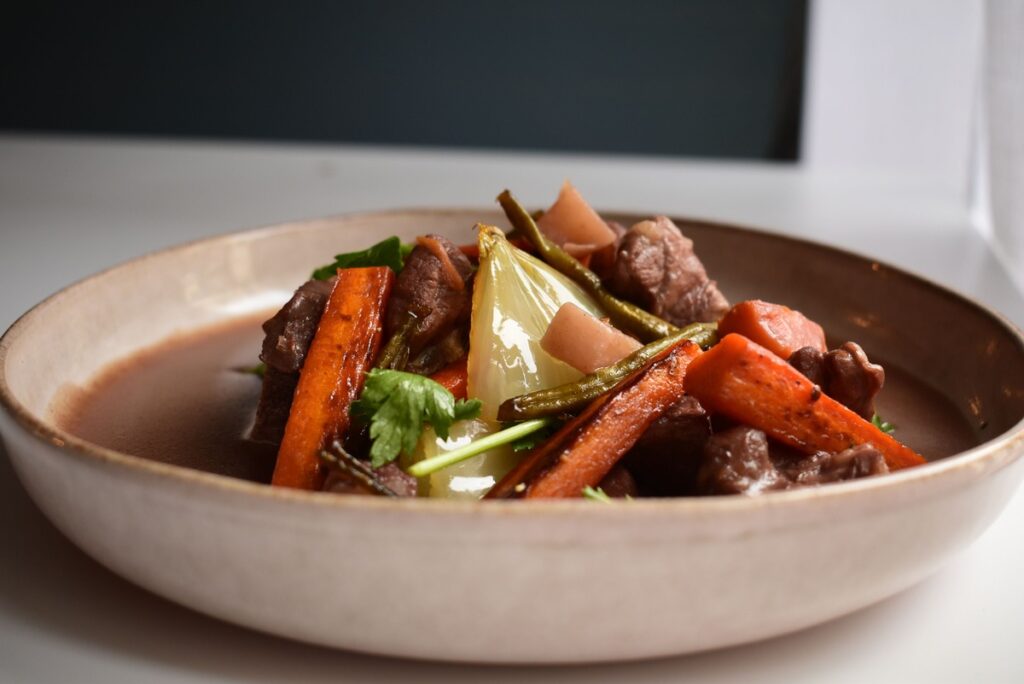
Soups, like lentil soup with vegetables, are great, as are morning steel-cut oats with nuts and fruits. Seasonal vegetables, including root vegetables, are great roasted and served with a protein and legume or brown rice.
It need not be complex, and when fresh isn’t available, frozen and canned vegetables and beans are still excellent sources of nutrients. They’re also great time savers when schedules are hectic.
Heading off to a party? Be the guest that brings the veggie tray or nut charcuterie to the gathering. Adding dips like hummus, black bean dip, or dill dip can spice up the vegetables while keeping the offering healthy.
No single food supplies everything your body needs, so keep your diet varied. Multivitamins can also help ensure you’re getting what your diet might be missing, but starting with nutrient-dense foods on your plate is the best place to begin.
 Hydration as a Foundation of Health
It’s easy to let hydration slip in the winter, when heat and sweat aren’t reminding us to drink, but adequate hydration is necessary to keep your body and immune system functioning normally.
If a glass of ice water doesn’t sound great in fall, you have plenty of options, from warm tea and soups to water-rich fruits and vegetables like salad greens and carrots. Pair water with meals to stay on top of hydration.
Practical, but what does the research say? Research on hydration and immune function is still developing, but in mice, water restriction disrupted gut immune function and impeded an effective response to intestinal infections.
While this doesn’t show a direct correlation between hydration and cold and flu season, it does suggest that hydration plays an important role in helping you stave off infections. In fact, one of water’s primary jobs is to help your kidneys flush bacteria from your body, which may support infection prevention.
For everyday immune support, hydration doesn’t mean forcing yourself to chug more water; if you’re thirsty, you’re likely already dehydrated, though dehydration can have more serious symptoms than thirst. The goal is to stay adequately hydrated to support your body’s systems, including your immune system.
Simply put, drink water when you first wake up, have beverages in between and with meals, drink water during the day, and eat water-rich foods.
 How Time Outside and Movement Provide Immune System Support
When you’re not feeling well, rest, but when you’re feeling good, make regular movement part of your daily routine. Even gentle movement, like yoga or walking, is good for your body and your immune system.
How? Movement actually helps immune cells move around your body and helps regulate inflammation. One study demonstrated that moderate-intensity exercise, like a brisk walk, bike ride, or even a kitchen dance party, can help promote immune response.
“But it’s so gray and wet,” you say. Even a short lunchtime walk, a dog walk in the park, or a few minutes in your yard or garden between showers can help (and help you get ahead on springtime weeding).
Raincoats and waterproof footwear are well worth the investment to keep you warm and dry for outdoor wintertime activities.
 Stress Reduction, Connection, and Community Belong in the Immune Support Plan
Your immune system doesn’t rely only on nutrition, sleep, and water to function at its best. Supporting your immune system also means supporting your overall health, which includes making room for calm and connection alongside your other habits.
One mindfulness study found that after 2 months of practice, participants had reduced inflammation signaling pathways. These pathways trigger an inflammatory response, so while there wasn’t a direct decrease in inflammation, mindfulness may work on a deeper level than we suspect and support immune regulation.
Connection matters, too. Social well-being is an important part of health, and when it’s missing, we feel it at the cellular level, too. One study of socially isolated individuals found they had higher levels of a chronic inflammation marker. Much like mindfulness, this suggests that connection helps us regulate our internal systems and stay healthier overall.
While these don’t suggest overall immune support, a healthy immune system can perform better when needed. As the weather and seasons change, staying indoors often means staying home more and having fewer social commitments. And then come the holidays, where schedules are overloaded, sometimes with surface-level connections that don’t have us really feeling connected, just harried.
Consider prioritizing quiet time to yourself, keeping standing phone calls with friends, or gathering with a group for a hobby, volunteering, or a faith group. Ideally, you’re looking for time to breathe and connections that leave you feeling supported and energized, not drained.
When to Consider Immune Support Supplements or Seek More Help
Prone to colds or feeling run-down? Sometimes, when we know we’re about to enter a hectic period with more stress and more demands that may affect our ability to meet our needs, we need a little support. This is especially true if we’re not getting the nutrients or rest we need.
Immune support supplements may be a good way for individuals who need a bit more support. Your healthcare provider can help determine whether it’s appropriate, which supplements or herbs may suit you best, and how these choices fit with your individual needs, health history, and current medications.
At Canby Clinic, we often recommend Super Immune Ally, which our naturopathic doctors formulated. It offers a blend of five botanicals designed to support your immune system, grounded in both traditional wisdom and modern research.
We also recommend black elderberry syrup. Some research supports its ability to help relieve upper respiratory symptoms, though more research is needed.
Wondering if one of these options is right for you? Because herbal medications can interact with medications, consulting with your doctor for personal guidance is recommended.
If you’re in the Canby, Oregon area and prone to frequent infections, lingering symptoms, or unshakeable fatigue, especially as “indoor season” arrives, schedule a visit! You can also schedule a free 15-minute meet-the-doc appointment to learn more about our naturopathic approach to immune system vitality.