
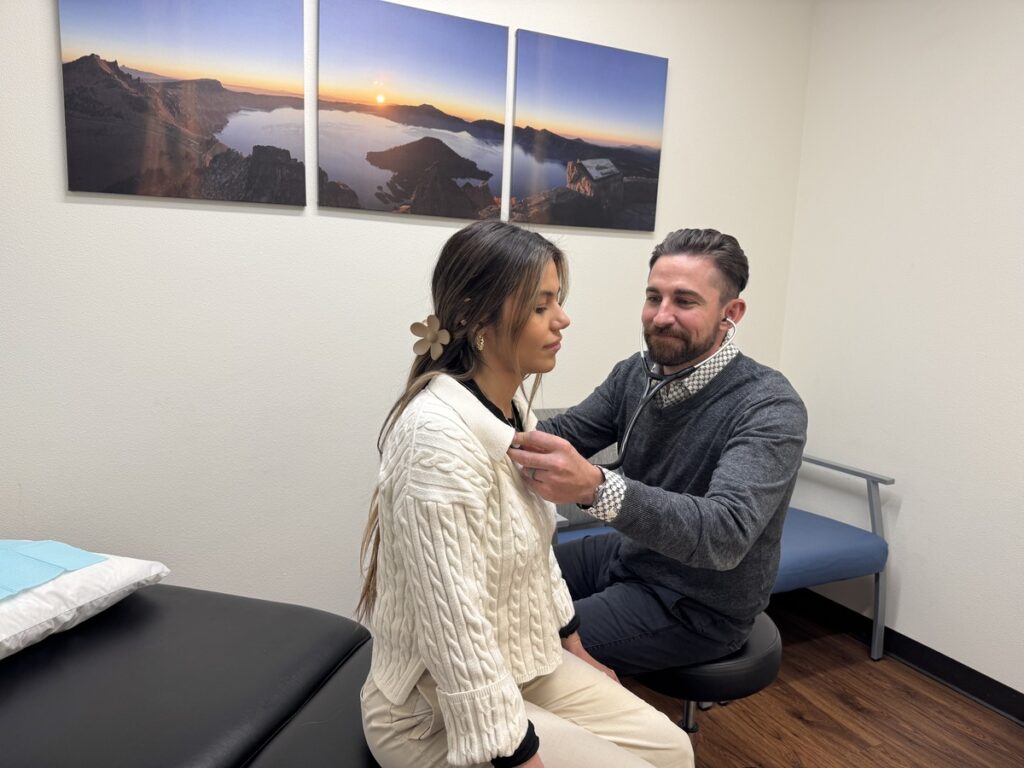
Before you choose a healthcare provider, it’s natural to have questions.
1. What are your health goals?
2. What symptoms are you having and for how long?
3. Are there medical providers who will take time to listen and work to understand the cause of your condition(s)?
At our clinic, we believe healthcare works best when it begins with conversation, education, and trust. Naturopathic doctors are trained to take the time to listen, understand your health story, and help you make sense of what’s happening in your body.
That relationship, built on clear information, thoughtful care, and open communication, is the foundation of good medicine.
If you’re exploring naturopathic medicine for the first time, understanding how it works is the perfect place to start. Think of this as an introduction; it’s an opportunity for you to learn about our approach before we have the chance to get to know you.
Quick Links:
- What is Naturopathic Medicine?
- The Tenets of Naturopathic Medicine
- Naturopathic Doctor Training, Licensing & Credentials
- How is Naturopathic Medicine Different from Conventional Medicine?
- What Conditions and Concerns Does Naturopathic Medicine Address?
- What Naturopathic Therapies Are Used in Practice?
- What to Expect at Your First Naturopathic Appointment
What is Naturopathic Medicine?
Naturopathic medicine, or naturopathy, is a form of primary healthcare that blends modern medical science with evidence-informed natural therapies. The naturopathic approach examines how the body’s systems work together and focuses on identifying and addressing the factors that influence overall health, rather than just managing symptoms.
Many folks have a picture in their head about what kind of care a naturopathic doctor provides. The truth is, naturopathic doctors use many of the same diagnostic tools as conventional medicine, including detailed medical histories, physical exams, and laboratory testing. Treatment plans may then incorporate therapies such as clinical nutrition, botanical medicine, lifestyle counseling, and targeted supplementation to support the body’s normal physiological processes.
Importantly, naturopathic medicine is a regulated medical profession in many regions, not simply a wellness trend. Licensed naturopathic doctors complete a four-year accredited naturopathic medical program after earning an undergraduate degree, studying biomedical sciences, clinical diagnosis, and pharmacology alongside naturopathic therapies. Graduates must also pass the Naturopathic Physician Licensing Examination (NPLEX) to practice in regulated jurisdictions.
Together, this training enables naturopathic doctors to integrate modern diagnostic medicine with a broader, whole-person, whole-systems approach to care, helping patients understand and address the many factors that influence long-term health.

The Tenets of Naturopathic Medicine
Naturopathic medicine is guided by a set of core principles that shape how care is delivered in clinical practice. These principles provide a framework that helps naturopathic doctors make decisions about diagnosis, treatment, and long-term patient care. Together, they reflect an approach to medicine that prioritizes safety, prevention, and addressing the underlying factors that influence health.
First, Do No Harm (Primum Non Nocere)
Naturopathic doctors aim to use the least invasive and lowest-risk therapies appropriate for a patient’s condition. This means carefully considering the benefits and risks of any treatment and choosing approaches that support health while minimizing potential side effects or unnecessary interventions.
The Healing Power of Nature (Vis Medicatrix Naturae)
The body has an inherent ability to maintain balance and repair itself when given the right conditions. Naturopathic care focuses on supporting these natural processes through nutrition, lifestyle changes, and targeted therapies that help the body function as it was designed to.
Identify and Treat the Cause (Tolle Causam)
Rather than focusing only on symptoms, naturopathic doctors work to identify the underlying factors contributing to illness. This may include looking at nutrition, sleep, stress, environmental exposures, or metabolic imbalances to better understand why symptoms are occurring in the first place.
Treat the Whole Person (Tolle Totum)
Health is influenced by more than just a single organ or system. Naturopathic doctors consider the full picture of a patient’s health when developing a treatment plan. This may include physical, mental, lifestyle, and environmental factors.
Doctor as Teacher (Docere)
Education is a central part of naturopathic care. Naturopathic doctors spend time helping patients understand their health, their test results, and the reasoning behind treatment recommendations so they can actively participate in their care.
Prevention (Prævenire)
Preventive care is a key focus in naturopathic medicine. By identifying risk factors early and supporting healthy habits, naturopathic doctors aim to help patients maintain long-term health and reduce the likelihood of chronic disease.
Naturopathic Doctor Training, Licensing & Credentials
One of the most common questions people ask is simple and important: Are naturopathic doctors real doctors? The short answer is yes. Licensed naturopathic doctors (NDs) are medically trained healthcare providers who complete extensive education and clinical training before practicing.
Like MDs, naturopathic doctors attend a four-year accredited naturopathic medical school after their undergraduate degree. Their training includes biomedical sciences such as anatomy, physiology, pathology, and biochemistry, as well as clinical diagnosis, physical examination, pharmacology, and laboratory interpretation. This foundation is paired with education in naturopathic therapies like clinical nutrition, botanical medicine, and lifestyle medicine.
After graduation, naturopathic doctors must then pass the NPLEX, a comprehensive board exam required for licensure in regulated jurisdictions. Like other medical professions, NDs are licensed and regulated by state or regional boards, which establish standards of practice, continuing education requirements, and patient safety oversight.
In licensed regions, naturopathic doctors are trained to provide primary care services, including ordering laboratory tests, evaluating health concerns, and developing individualized treatment plans.
How is Naturopathic Medicine Different from Conventional Medicine?
Naturopathic medicine and conventional medicine are often framed as opposites, but in reality, they are more complementary than conflicting. Both approaches rely on medical science, clinical training, and diagnostic tools to understand what’s happening in the body. The difference lies mainly in how care is delivered.
Naturopathic doctors use many of the same diagnostic tools used in conventional healthcare, including detailed health histories, physical examinations, bloodwork, and referrals for imaging or specialist evaluation when needed. In regulated regions, NDs are trained to assess lab results, monitor health concerns, and help patients understand their overall health picture.
- Office Visits & Physical Exams
Naturopathic care begins with thorough office visits that allow time to review medical history, symptoms, lifestyle factors, and health goals. Physical exams are often part of these visits, helping doctors evaluate overall health, assess symptoms, and guide diagnostic decisions and treatment planning. - Lab Testing & Functional Medicine Assessment
Laboratory testing can play an important role in understanding a patient’s health. Naturopathic doctors may order and interpret standard lab work and, when appropriate, use additional functional assessments to gain deeper insight into areas such as metabolism, hormones, digestion, and nutrient status. - Imaging
Imaging can include X-rays, ultrasounds, and other advanced imaging, typically ordered through imaging centers or in collaboration with specialists. Imaging helps provide a clearer picture of what’s happening within the body, allowing for more informed and personalized treatment planning. - Referral & Collaborative Care
Naturopathic doctors often work alongside family physicians, specialists, therapists, and other healthcare providers. When additional expertise or medical care is needed, referrals and coordinated care help ensure that patients receive comprehensive, well-rounded support.
Perhaps one of the biggest differences, in terms of time and depth of intake, is something patients often claim is missing in conventional healthcare. In conventional care settings, patient visits often last roughly 17 minutes, with time spent equally by the doctor and the patient. This is despite research showing that longer visits improve not only patient satisfaction but also the doctor-patient relationship.
In contrast, naturopathic appointments are often longer, allowing doctors to explore multiple factors like nutrition, sleep, stress, lifestyle, and environmental influences. As a point of comparison, appointments with naturopathic doctors often last 60 minutes, compared with the 9 minutes, on average, that patients spend with more conventional healthcare providers.
Instead of focusing only on symptom management, naturopathic care often looks more closely at what may be contributing to symptoms in the first place. In fact, research on naturopathic clinical visits has found that the doctor-patient relationship is central to care. Patients often describe consultations as focused on understanding underlying causes, with an emphasis on active listening and collaborative decision-making.
Naturopathic doctors also frequently collaborate with family physicians, specialists, and other healthcare providers to ensure patients receive comprehensive care. When conventional treatments are needed, referrals and coordinated care are an important part of responsible practice.
Because naturopathic medicine incorporates natural therapies, it is sometimes mistakenly viewed as pseudoscience. In reality, modern naturopathic practice emphasizes evidence-informed care, integrating peer-reviewed research, clinical guidelines, and physician training to guide treatment decisions.
What Conditions and Concerns Does Naturopathic Medicine Address?
One concern many patients have is that naturopathic doctors are specialists or have a narrow focus. The truth? Naturopathic doctors are trained as primary care providers, which means they don’t focus on just one condition or body system. Instead, they care for a wide range of health concerns while helping patients understand how different aspects of health, such as hormones, digestion, stress, and lifestyle, interact.
Common areas where patients seek naturopathic care include:
- Hormonal & Reproductive Health
Support for concerns such as thyroid conditions, hormone imbalance, menstrual health, perimenopause and menopause symptoms, fertility, and hormone-related mood or energy changes. - Digestive Health
Evaluation and support for digestive concerns, including bloating, constipation, acid reflux, IBS, IBD, food sensitivities, gut microbiome balance, and other gastrointestinal issues. - Mental Health & Nervous System
Care focused on anxiety, burnout, sleep disturbances, stress resilience, and supporting the nervous system through lifestyle, nutrition, and targeted therapies. - Cardiometabolic Health
Support for blood pressure, blood sugar balance, cholesterol management, weight concerns, metabolic health, and reducing cardiovascular risk factors. - Immune & Inflammatory Conditions
Helping patients manage allergies, chronic inflammation, autoimmune-related concerns, eczema and other skin conditions, and joint pain. - Preventive & Longevity Care
Annual wellness visits, lab review, and proactive health strategies designed to support long-term health and reduce disease risk. - Pediatric & Family Care
Many naturopathic clinics provide care for the whole family, supporting children and adults with preventive care and common health concerns.
For many patients, their naturopathic doctor becomes the first point of contact for health questions, guiding next steps and coordinating care when additional specialists are needed.
What Naturopathic Therapies Are Used in Practice?
Naturopathic doctors use a variety of therapeutic tools to support patient health. Treatments are selected based on clinical evidence, physician training, and each patient’s individual health needs. Rather than relying on a single intervention, naturopathic care often combines multiple approaches to address both symptoms and the underlying factors contributing to them.
Common tools and therapies used in naturopathic practice include:
- Clinical Nutrition, Supplementation & Nutraceuticals
Nutrition is a foundational part of naturopathic care. Naturopathic doctors often use targeted dietary strategies, along with vitamins, minerals, and other nutraceuticals, to support digestion, metabolic health, hormone balance, and inflammation while addressing potential nutrient deficiencies. - Botanical / Herbal Medicine
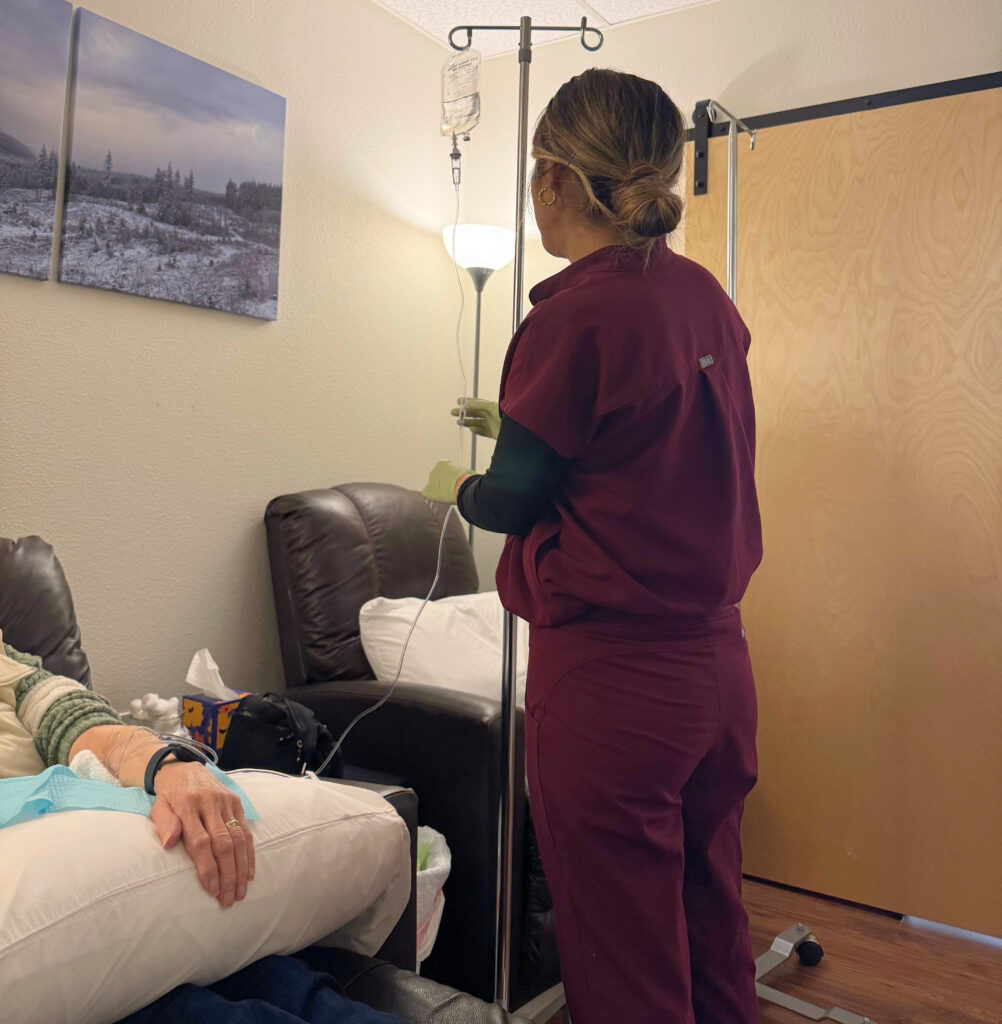
Herbal medicine uses plant-based compounds with well-documented physiological effects. Naturopathic doctors are trained to select herbs that support systems such as digestion, immune function, stress response, and hormone balance. - IV Nutrient Therapy
IV therapy delivers vitamins, minerals, and other nutrients directly into the bloodstream, allowing for higher absorption in certain clinical situations. - Injection Therapies
Certain nutrients and therapeutic compounds may be administered via injection when appropriate to address specific health concerns. - Minor Surgical Procedures
In some naturopathic clinics, doctors may perform minor in-office procedures when medically appropriate.
These therapies allow naturopathic doctors to create comprehensive, individualized care plans supporting both immediate health concerns and long-term wellness. Again, the focus here is on understanding the full picture and using all available tools, treatments, and therapies to support overall wellness and promote natural healing.
What to Expect at Your First Naturopathic Appointment?
Your first visit to a naturopathic clinic is designed to give your doctor the time needed to truly understand your health. As noted above, initial appointments are often 60–90 minutes, allowing you and your doctor to have a more detailed conversation regarding your current health. This is often the biggest surprise for new patients, as this is much longer than many patients are used to in conventional primary care.
During this appointment, your naturopathic doctor will review your medical history, current symptoms, lifestyle habits, nutrition, sleep, stress levels, and any medications or supplements you may be taking. The goal is to build a comprehensive picture of your health, so potential contributing factors can be identified. For this reason, we strongly recommend that you bring a complete list of the medications, vitamins, and supplements you are currently taking.
A physical exam may also be performed, and your doctor may recommend laboratory testing if additional information is needed to better understand what’s happening in your body.
From there, your doctor will work with you to develop a personalized treatment plan. This may include nutrition guidance, lifestyle strategies, targeted therapies, or additional follow-up testing, depending on your health goals and concerns.
Naturopathic care is designed to be collaborative and evolving, which means it’s often ongoing. Again, this is what makes naturopathic care different from other alternative care models, which is often where it is miscategorized. Follow-up visits allow your doctor to monitor progress, adjust your treatment plan, and continue supporting your health over time.
To prepare for your first appointment, we recommend bringing any recent lab results, a list of medications and supplements you currently take, and any questions or health concerns you’d like to discuss. Remember, this is holistic (or wholistic) and so the more information you can provide to your naturopathic doctor, the more comprehensive your treatment plan can be and, often, the better your outcomes.
Ready to Experience the Naturopathic Approach?
If you’ve read this far, you’re more than curious about how a naturopathic doctor can support your overall health and wellness. Because naturopathic medicine combines modern medical diagnostics with evidence-informed therapies to provide personalized, whole-person care, many people are making the switch. In many ways, it’s a return to the old-fashioned care many patients crave, with all the benefits of modern science.
With extensive medical training and a focus on understanding the underlying factors that influence health, naturopathic doctors can serve as trusted partners in your long-term healthcare.
If you’d like to learn more, meet our doctors, or explore our services to see how our clinic can support your care.
Or if you’re ready to book your first appointment and begin a more comprehensive approach to your health, reach out to our team!