
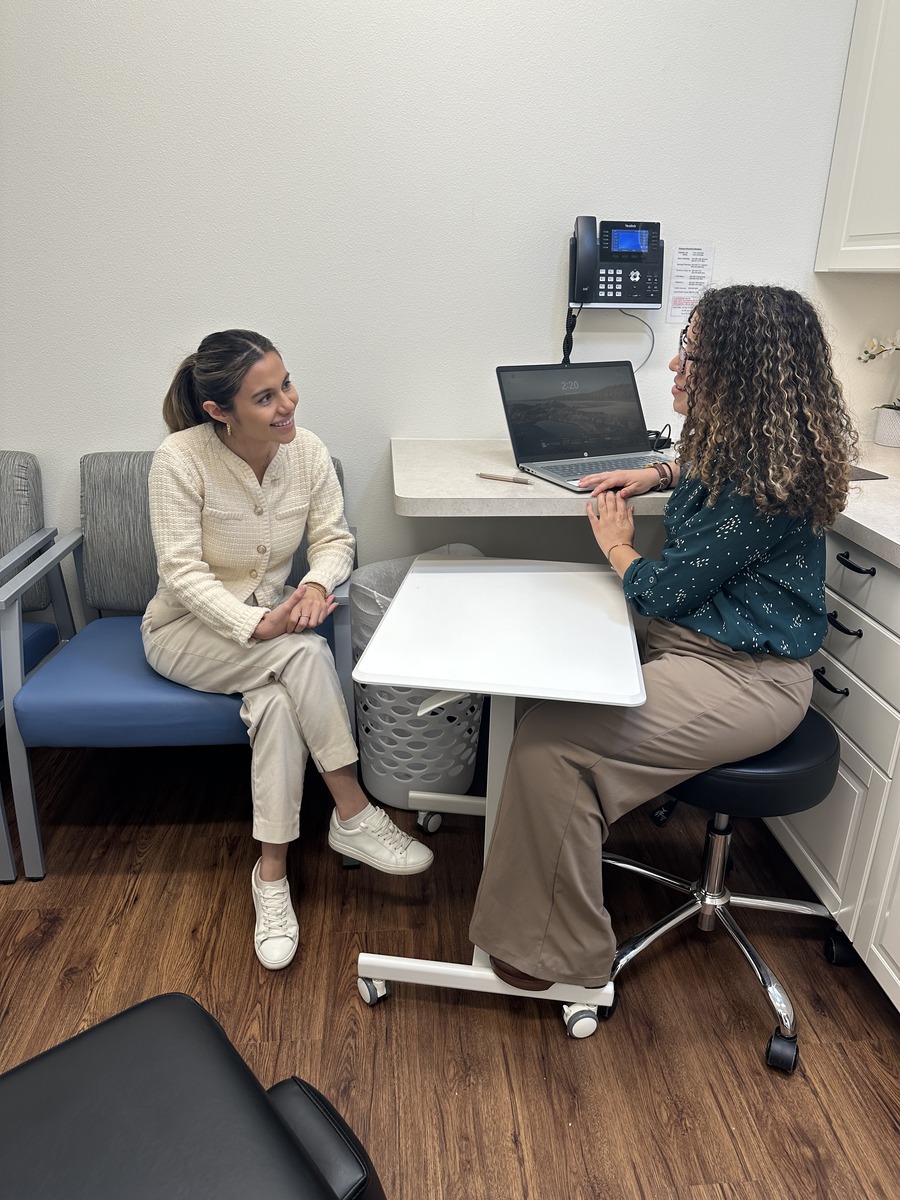
Naturopathic Care for Acute Illness
A Naturopathic Approach Acute Care
It comes on suddenly and often knocks you down. Acute illness is part of life, but no one likes being sidelined by it.
Whether it’s a cold, flu, respiratory infections, or other short-term illnesses, they can show up quickly, disrupting your daily routines and putting life on hold until you feel better. For many people, the goals are simply to feel better, recover fully, and get back to their normal life, quickly.
What’s often missing, though, is guidance on how to support the body through that process. We’re not talking about symptom suppression, but recovery. Naturopathic Medicine does not like suppressing illness if we can help it at all; it’s all about supporting the body through the illness and getting it back to full function or an even healthier baseline.
Acute illness care is not separate from primary care, but it’s often treated as such. Folks rush to convenient care or urgent care, but working with your primary care doctor can help inform the choices you make. Your primary care doctor knows you, knows your body, and your health. They are best able to recommend and prescribe the treatment or support your body needs.
Acute care includes the evaluation, diagnosis, and treatment of short-term conditions, as well as decisions about when additional care, testing, or medication is needed.
Naturopathic medicine approaches acute illness with a larger view of clinical responsibility. It’s not just about relief, but also about how the body responds and recovers.
Learn more about our membership, which covers acute care!
What Is an Acute Illness?
Let’s start with a clear understanding of how acute illness is different from other conditions and concerns. An acute illness is defined as a condition that develops quickly and typically resolves within a short period. These illnesses often come on over hours or days rather than months or years. Examples include:- Acute respiratory illness, such as bronchitis
- Viral infections such as colds or influenza
- Bacterial infections such as sinus infections or strep throat
- Gastrointestinal infections like norovirus or food poisoning
- Ear infections
- Urinary tract infections or bladder infections
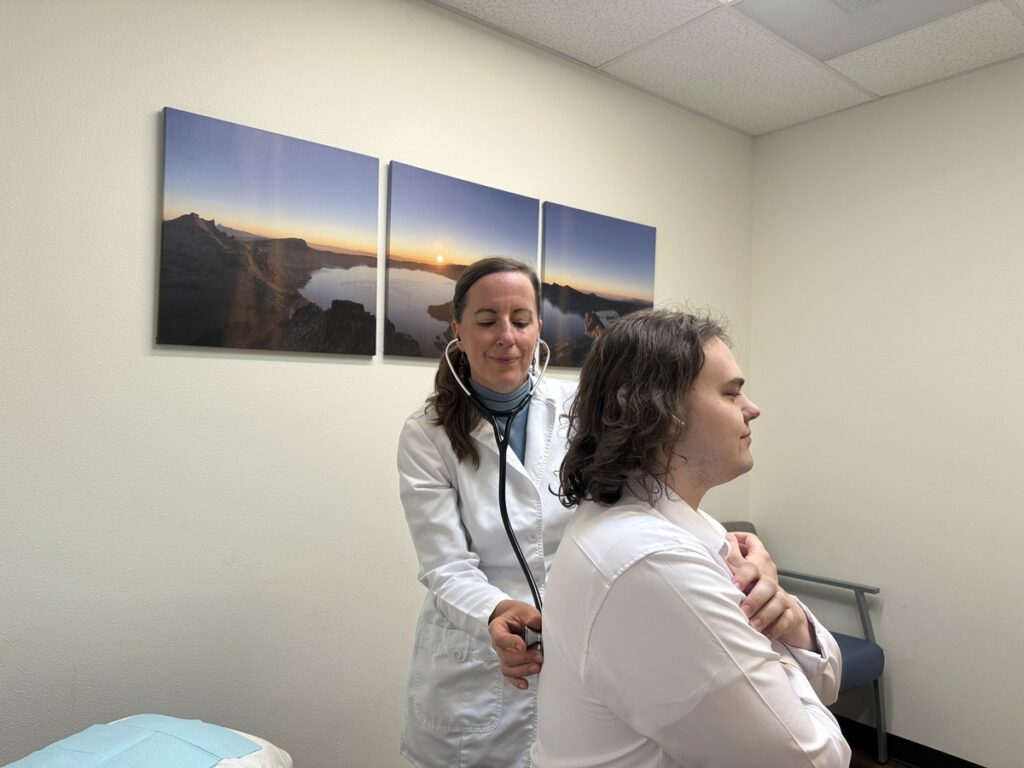
When to Seek Immediate Care
When making an appointment with your primary care physician, some symptoms require urgent emergency evaluation.
These symptoms may include:
- Severe difficulty breathing
- Chest pain worse with physical activity
- High or persistent fever
- Severe dehydration
- Severe abdominal pain
- Confusion or altered mental status
- Symptoms that are rapidly worsening
In situations like this, emergency care is appropriate and recommended.
Types of Acute Illness
From respiratory to digestive symptoms, acute illness is a broad category. That’s why understanding the type of illness is necessary to inform appropriate care.These affect the upper and lower respiratory tract.
Common examples include:
- A cold
- Influenza
- Bronchitis
- Sinus infections
Symptoms often develop over days and may include cough, congestion, sore throat, fatigue, and fever.
Many acute illnesses can be directly linked to viruses.
These often involve:
- Fatigue and body aches
- Fever or chills
- Respiratory or digestive symptoms
- A course that improves gradually over several days
While viral illnesses do not require antibiotics, they can still be very disruptive to daily life and may benefit from supportive care, especially if the symptoms are prolonged.
Bacteria can cause acute illnesses and may require further evaluation or treatment.
>
Examples include:
- Strep throat
- Certain sinus infections
- Urinary tract infections
- Some ear infections
Antibiotic resistance is a real concern, so in these cases, determining whether antibiotics are appropriate is an important part of care.
Acute digestive illnesses often present with:
- Nausea or vomiting
- Diarrhea
- Abdominal cramping
- Dehydration
Full recovery depends on understanding the underlying cause and the quality of support provided throughout the illness.
Why Some Acute Illnesses Linger
Fortunately, acute illnesses can resolve on their own, but not all illnesses follow a straightforward or predictable path. If your illness is lingering or you are experiencing some of these symptoms, it may be time to reach out to your primary care doctor. Some patients may experience:- Symptoms that last longer than expected
- Not returning to 100%
- Recurrent infections
- Fatigue or other symptoms that persist after illness
- Immune system function
- Sleep and recovery capacity
- Nutrient levels
- Stress levels
- Underlying conditions, such as chronic fatigue or digestive issues
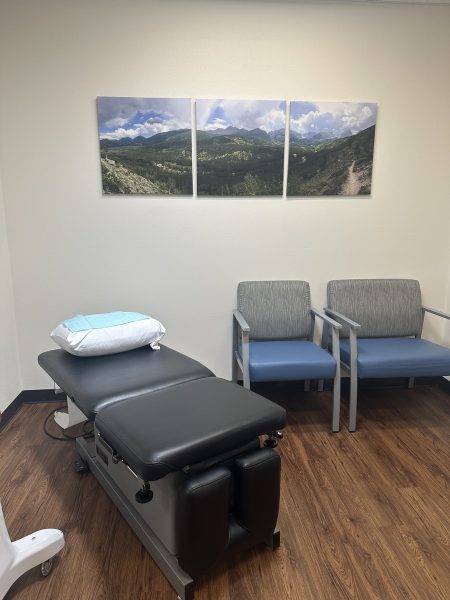
Our Naturopathic Medicine Approach to Acute Illness
Support is essential, but sometimes acute illness requires clinical evaluation.
It might start with a scratchy throat or an upset stomach, and then those symptoms evolve. It’s a sign you need care. Acute illness happens, but it doesn’t need to derail us.
Having a healthcare provider who can evaluate, guide, and support your recovery makes a difference, and it matters even more when your primary care doctor provides care.
If you’re dealing with an acute illness and want thoughtful, medically grounded care, we’re here, and we’ll take the time to help you get the support you need.
Depending on your symptoms, your care may include:
We’ll assess your symptoms, history, and presentation to identify the type of illness and determine whether further testing or treatment is needed.
One reason you’ve sought help is to relieve symptoms. We’ll work to reduce your discomfort and provide support for fever, congestion, cough, digestive symptoms, or body aches.
Naturopathy seeks to work with the body, so our goal is not to override the immune system, but to support it. We’ll focus on rest, hydration, and nutrition, along with targeted support when appropriate.
If your symptoms are lingering, we may require a follow-up. Until your full recovery, we’ll monitor for signs that your symptoms are worsening or not resolving as we hope.
One way we’ll provide targeted support is through herbal medicine and physician-grade supplements, which can help enhance immune function and relieve symptoms. These will be selected based on your presentation, the type of illness, and your body’s response to this support.
One mistake many of us make is thinking that when symptoms are gone, we’re recovered, but recovery does not end when symptoms improve. You’ll need to continue focusing on sleep, hydration, nutrition, and a gradual return to activity. This way, you can help reduce the likelihood of lingering symptoms.
Medication Use and Prescription Management
In some cases, supportive care is sufficient, but in others, medications may be required. Sometimes, antibiotics, antivirals, or symptom-specific treatments may be necessary. But an essential part of acute care is knowing when to use medication and when it is not needed. We provide prescription management when appropriate and coordinate care if additional evaluation or treatment is required.What to Expect at Your Visit
We start by listening.
Your first appointment includes time to discuss:
- Your current symptoms and when they started
- How your symptoms have progressed
- Recent exposures, travel, or illness
- Relevant medical history
- Current medications and supplements
- Sleep, hydration, and energy levels
REVIEWS
What Our Clients Say About Us
Shauna Carter
Canby Clinic, Erin Walker and staff are by far the kindest, most thorough physician group I have ever experienced. I have a lot of experience with other doctors, and Canby Clinic is the best, hands down. I am so grateful for the time and energy that Canby Clinic puts into every experience. I will drive hundreds of miles to see them for mine and my family care.
Rated 5 out of 5
Jen Jacobson
This is the BEST clinic you can ever go too! Dr. Walker is incredible and listens. My 14 yr old son had a bad experience with a conventional doctor and never wanted to see a Dr. again. I got him in with Dr. Ferguson and he LOVES him. Go sign up now! You won’t regret it!
Rated 5 out of 5
Shannon Warren
I love Canby Clinic It was the best choice I have made for my health! This last year they have helped me so much with my medical issues and I am feeling better than I have in a long time. Can’t wait to see how much better I am this time next year. Dr. Walker is the best and Dr. Ferguson is amazing as well. If you want to heal your whole body and are tired of just treating the symptoms then this is the place for you!
Rated 5 out of 5